Every facility eventually reaches a point where current equipment no longer matches load weight, pallet size, or lift height requirements. At that stage, reviewing the types of forklifts available becomes necessary to maintain consistent handling and storage operations.
Forklift classifications and capacity planning guide equipment decisions from the start. When load dimensions, stacking methods, and lift requirements are clearly defined, operations can choose equipment that supports daily material movement without delays or unnecessary adjustments.
Types of Forklifts and Their Classifications
There are seven classes of material handling equipment recognized across the industry. Six of those seven classifications relate directly to forklifts used in warehouse and operational settings.
Each class identifies a different style of equipment designed for specific handling tasks and environments. Knowing how these classes are defined helps narrow down the right forklift before testing or renting.
Class 1 and Class 2 Electric Equipment
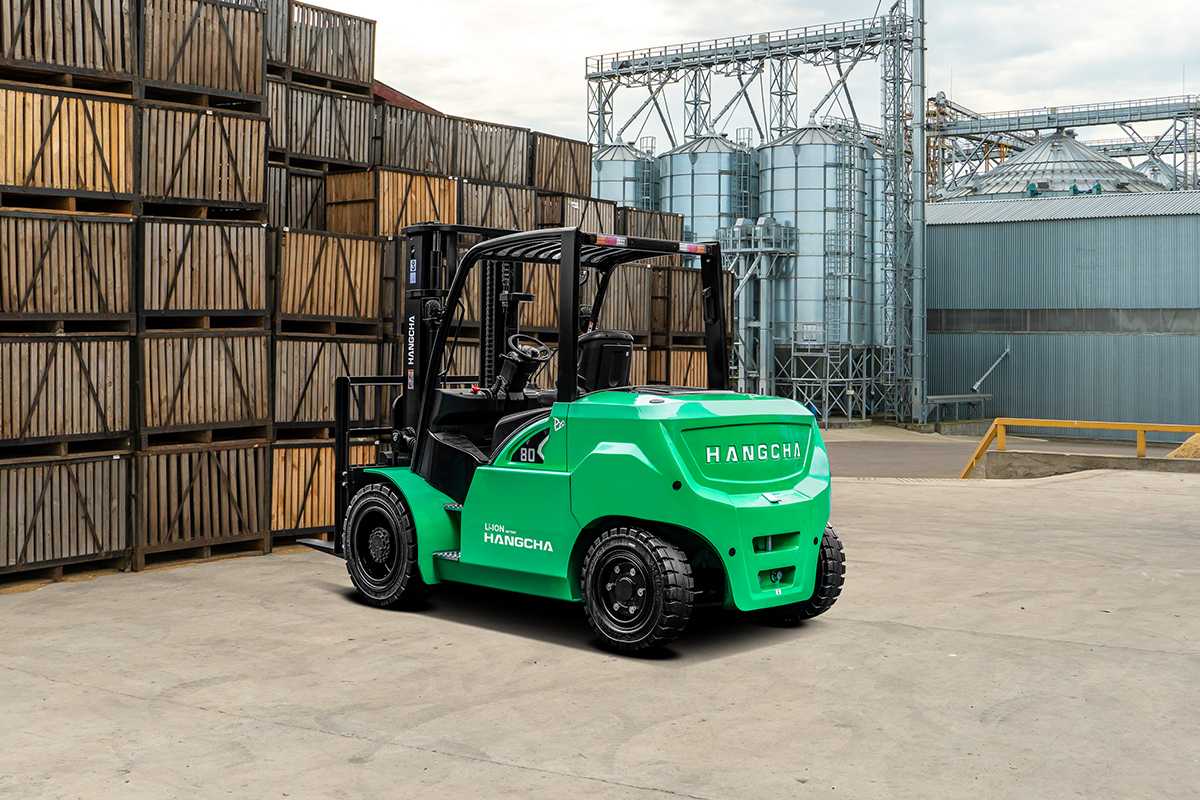
Electric forklifts make up two of the primary forklift classifications used in indoor environments.
Class 1: Sit-Down Counterbalance Electric
- Standard electric sit-down forklifts
- Used for general material handling
- Common in warehouse environments
Class 2: Narrow Aisle Equipment
- Designed for tighter storage areas
- Built for operations with racking and vertical storage
- Helps support movement in narrow aisles
These classes represent common electric forklift types used where maneuverability and layout efficiency matter.
Class 3 and Class 4 Warehouse Equipment
Two of the most recognized warehouse forklifts fall into Class 3 and Class 4.
Class 3: Pallet Jacks
- Used for pallet movement at floor level
- Common for short-distance transport
- Part of standard material handling operations
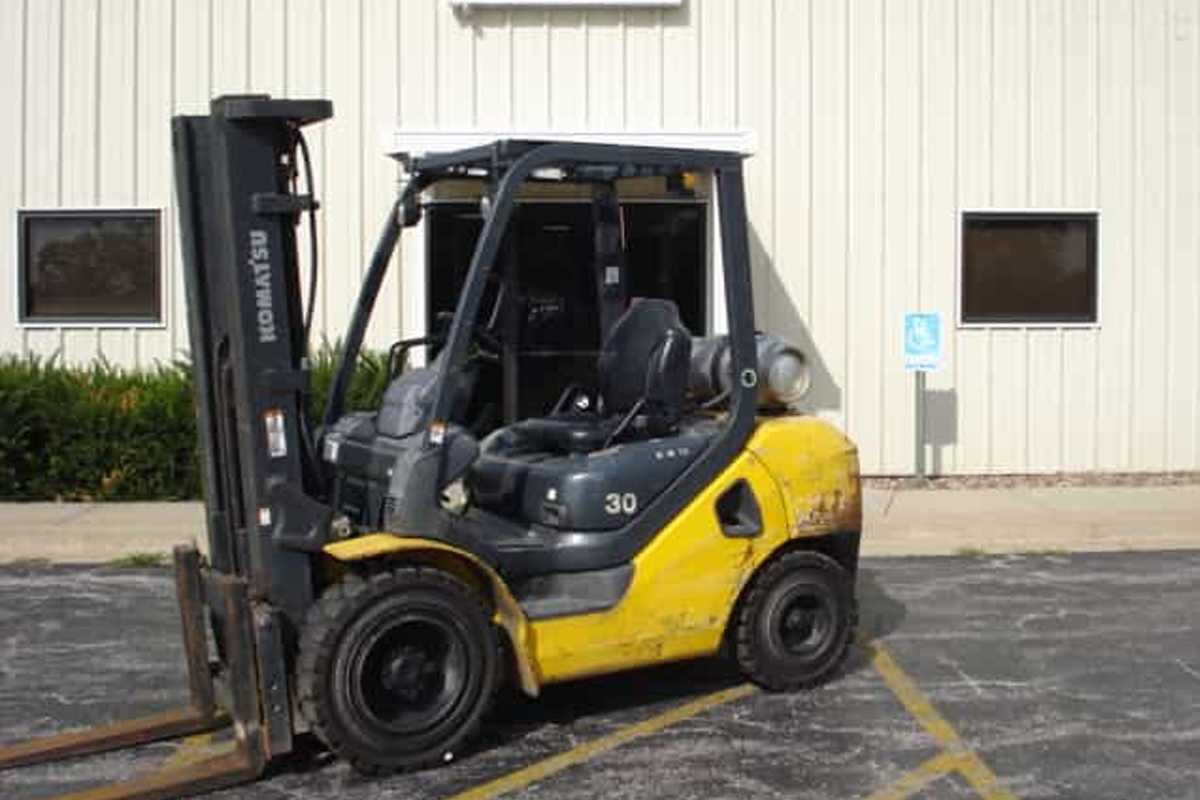
Class 4: Cushion Tire Internal Combustion
- Sit-down counterbalance internal combustion forklifts
- Often LP gas powered in warehouse environments
- Frequently seen in 5,000 lb capacity units with three-stage masts
In a true warehouse setting, Class 4 cushion tire LP gas forklifts remain very common. Many facilities still use LP gas even as more operations begin shifting toward electric options.
Key Takeaway: Knowing the forklift class first makes it easier to narrow down equipment options before reviewing brands or models.
Need expert help selecting equipment for your operation? Contact RDS Equipment for a free consultation. Our team can help you identify the right capacity and configuration before you commit.
Additional Forklift Classes and Equipment Categories
Not all classifications refer to traditional warehouse forklifts, but each plays a role in the overall material handling categories.
Class 5 and Class 7 Equipment
These classes expand beyond cushion tire warehouse forklifts.
Class 5: Internal Combustion Pneumatic Tire
- Similar to Class 4 units
- Uses pneumatic tires instead of cushion tires
- Part of the standard forklift classification
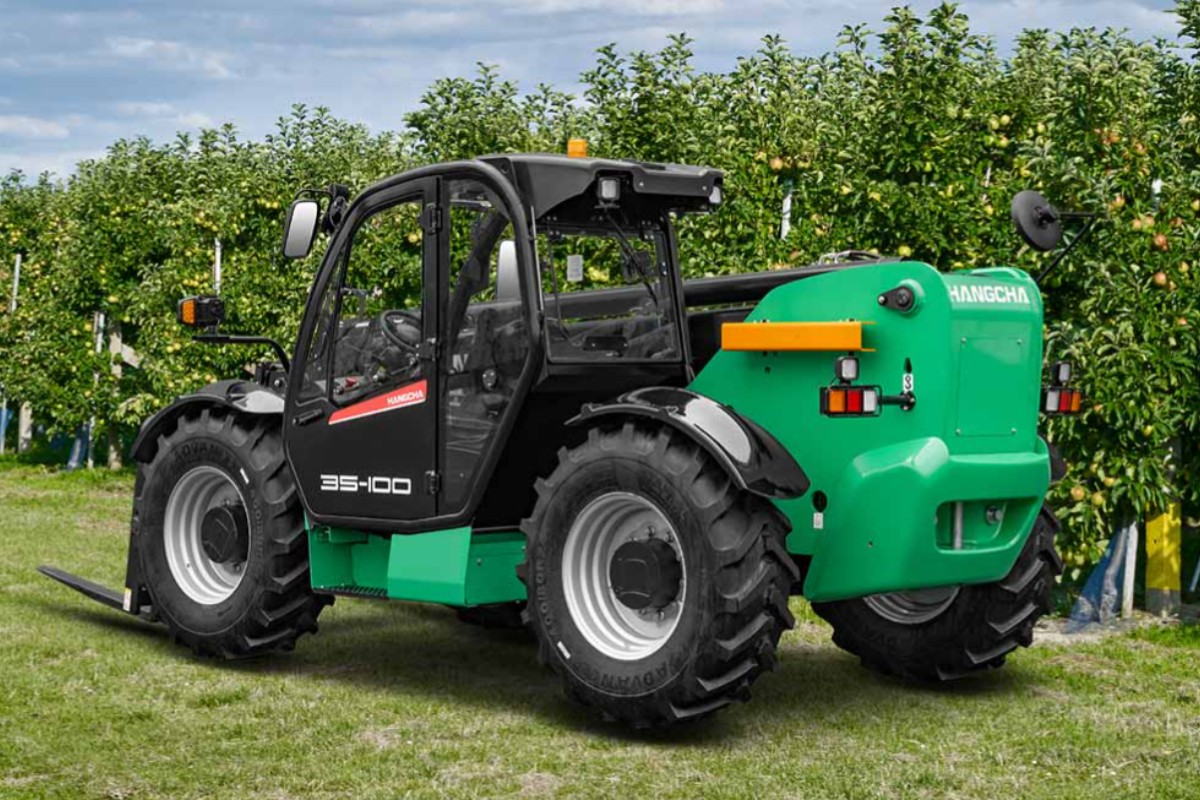
Class 7: Rough Terrain
- Classified as rough terrain equipment
- Built for environments requiring rough terrain capability
Non-Forklift Classification and Class 6
This class includes equipment that falls within the material handling classification system but is not technically a forklift.
Class 6: Burden Carriers
- Includes burden carriers and similar equipment
- Considered part of the classification structure
- Not a traditional lifting forklift
Pro Tip: Start by identifying the classification that matches your environment. This simplifies the selection process before reviewing specifications or brands.
Determining the Right Forklift Capacity for Your Operation
Forklift capacity is determined by what you are moving and how your operation is set up. There is always work to do upfront before choosing equipment.
Questions to answer first:
- What product are you moving?
- What are the pallet sizes and dimensions?
- How heavy are the loads?
- Are you floor stacking or double stacking?
- Will the product go into racking systems and how high?
Each of these factors determines the forklift required. Even in common warehouse environments, the right capacity depends on load weight, lift height, and storage setup.
Testing, Renting, and Evaluating Forklifts
Testing or renting a forklift can help confirm comfort with a brand. However, the same evaluation work should be completed before scheduling a demo or rental.
Before testing equipment, confirm:
- Load weight and pallet sizes
- Lift height requirements
- Type of material being handled
- Any special attachments needed
Renting can be useful if you want to confirm you are comfortable with a specific brand. Most decisions about class and capacity should already be determined before testing begins.
Key Takeaway: When you define your load requirements and lifting needs first, forklift testing becomes more productive and focused.
Get Expert Help Choosing the Right Forklift
Choosing the right forklift starts with understanding classifications, capacity needs, and what your operation handles each day. When those details are clear, selecting equipment becomes a straightforward process that supports daily performance.
Our team at RDS Equipment works with businesses to evaluate loads, storage methods, and lifting requirements before recommending equipment. Contact us today to discuss your project and get guidance on the right types of forklifts for your operation.
Frequently Asked Questions (FAQs)
1. What are the 7 classes of forklifts?
OSHA recognizes seven classes of powered industrial trucks based on design and use. These include electric rider trucks, narrow aisle trucks, electric pallet trucks, internal combustion cushion tire, internal combustion pneumatic tire, tractors, and rough terrain forklifts.
2. What are Class 3 forklifts?
Class 3 forklifts are electric-powered hand trucks, such as walkie pallet jacks and stackers. They are used for short-distance material movement and light lifting in warehouses and retail settings.
3. What’s the difference between a hi-lo and a forklift?
The terms are often used interchangeably. “Hi-lo” is a regional slang term that typically refers to a standard forklift.
4. What does OSHA call forklifts?
OSHA refers to forklifts as powered industrial trucks. This category includes equipment used to lift, carry, and move materials.
5. What is the lifespan of a forklift?
Most forklifts last about 10,000 to 12,000 operating hours with proper maintenance. Usage intensity, environment, and service practices affect overall lifespan.