The lifespan of forklifts is rarely determined by one factor alone. Fuel type, operating environment, maintenance history, and operator behavior all influence how long a machine stays productive and what it costs to keep it running.
Knowing what drives equipment longevity helps you make smarter purchasing decisions, control fleet costs, and avoid unplanned downtime. This guide covers what you need to know.
How Long Does a Forklift Last?
On average, forklifts last about 10,000 hours. Based on a standard 8-hour, 5-day workweek, that works out to roughly 5 years of productive life. Many machines run well past that mark with proper care.
Here’s a quick breakdown by fuel type:
| Fuel Type | Average Lifespan |
| Electric | 10,000 to 20,000+ hours |
| Propane / LPG | Around 10,000 hours |
| Diesel | 10,000 to 25,000+ hours |
Key Takeaway: Hours are a more reliable indicator of condition than age alone. A well-maintained 15-year-old forklift can outperform a neglected 5-year-old machine.
Forklifts Lifespan by Fuel Type
Electric Forklift Lifespan
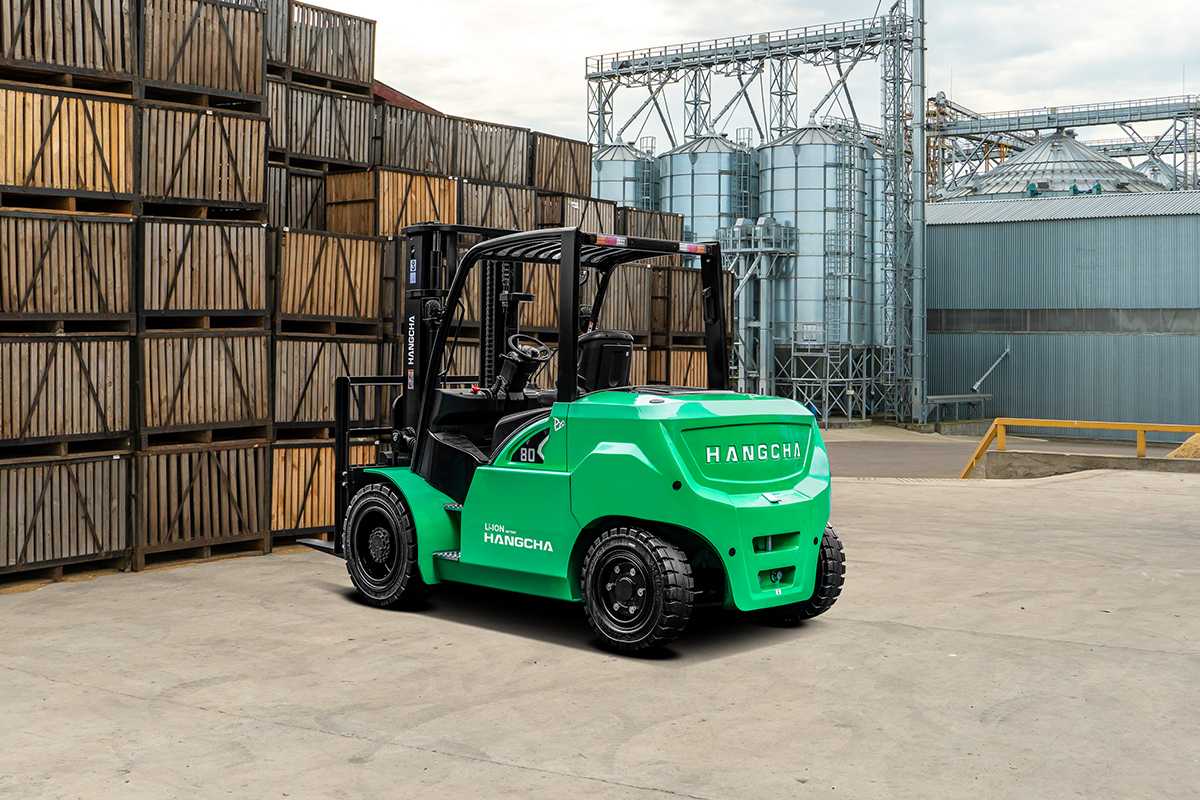
Electric forklifts tend to outlast internal combustion models. Fewer moving parts means less wear and fewer failure points. In the right conditions, electric units regularly surpass 20,000 hours.
Battery life is a separate variable worth tracking:
- Lead-acid batteries: Average 1,500 cycles or about 5 years
- Lithium-ion batteries: Up to 3,000 cycles or approximately 10 years
Propane, LPG, and Diesel Forklift Lifespan
Propane and LPG forklifts typically reach around 10,000 hours before repair costs begin to outpace their value. Diesel forklifts are built with heavier components to handle higher compression, which often pushes them past 10,000 hours in demanding applications.
Pro Tip: Propane tank runtime (4 to 8 hours per 33 lb. tank) and engine lifespan are two completely different things. Don’t confuse the two when evaluating a used propane unit.
6 Key Factors That Affect How Long Your Forklift Lasts
1. Hours of Daily Use
Light use is under 4 hours per day. Heavy use is 4 hours or more. Multi-shift operations put significantly more strain on components. Single-shift machines consistently outlast those running around the clock, all other things being equal.
2. Working Environment
Harsh conditions are one of the fastest paths to premature failure. The most damaging environments include:
- Corrosive settings such as chemical plants or plating facilities
- Extreme heat or cold, such as foundries and cold storage warehouses
- Heavy dirt and debris common in lumber yards or recycling plants
- Wet conditions found in food and beverage operations
Clean, dry, and temperature-controlled environments consistently extend equipment life.
3. Operator Behavior and Training
Bad habits cause real damage. Heavy braking, excessive speed, skipping pre-trip inspections, and misusing attachments all accelerate wear. Operator training is one of the highest-return, lowest-cost investments a fleet manager can make.
4. Maintenance Schedule
Most forklifts require service every 200 hours, with a full inspection every 2,000 hours. Missing those intervals increases repair costs and the risk of unplanned downtime.
Pro Tip: Always follow your manufacturer’s service schedule. Some brands are designed for extended maintenance intervals, which can reduce your total cost of ownership significantly over the machine’s life.
5. Load Capacity Abuse
Running a machine over its rated capacity stresses the mast, hydraulic system, and tires. This is one of the most overlooked causes of early equipment failure and one of the easiest to prevent.
Thinking about replacing a unit or expanding your fleet? Contact RDS Equipment for a free consultation. We’ll help match you with the right machine for your operation and budget.
Warning Signs and When to Replace
Signs Your Forklift Is Nearing the End of Life
Watch for these indicators that replacement may be the smarter financial move:
- Repair costs are approaching or exceeding 50% of the machine’s replacement value
- Parts are increasingly hard to source
- Breakdowns are frequent and unpredictable
- Visible mast wear, hydraulic leaks, or frame damage
- Operator safety is being compromised
How Your Forklifts’ Lifespan Affects the Repair-or-Replace Decision
A practical rule: if annual repair costs exceed half the cost of a comparable replacement unit, it’s time to move on. Factor in downtime costs and parts availability before committing to another round of repairs on an aging machine.
How to Extend Your Forklift’s Life
Follow these steps to get the most hours out of your equipment:
- Stick to the manufacturer’s PM schedule without exception
- Train operators on proper handling and load procedures
- Run pre-trip inspections every single shift
- Store equipment in a clean, dry environment
- Never exceed the rated load capacity
- Monitor battery health and charging cycles on electric models
Make the Right Equipment Decision
A forklift is a long-term investment. Getting the most out of it requires consistent maintenance, proper operation, and the right match between the machine and the application.
At RDS Equipment, we help businesses source, evaluate, and replace lift equipment at the right time. Whether you’re buying used or planning a full fleet upgrade, understanding your forklifts’ lifespan is the foundation of a smart equipment strategy. Contact us today.