Forklift rentals solve a real problem for many operations. Equipment needs change, timelines shift, and buying is not always the right move. Renting a forklift gives you flexibility, but only if you choose the right equipment and understand what is included.
Start with Your Application and Job Requirements
Before selecting equipment, define how the forklift will be used. This step helps you avoid overspending and reduces the risk of delays.
Indoor vs Outdoor Use: What Environment Are You Working In?
Electric forklifts are best for indoor use. They are quiet, produce no emissions, and work well in warehouses or tight spaces.
Gas or propane forklifts are better suited for outdoor jobs. They handle uneven surfaces and can run longer without stopping for charging.
How Many Hours Per Day will the Forklift be Used?
Usage affects both cost and performance. High-hour operations may require additional batteries or a more durable unit.
Lower usage jobs allow for more flexibility and can reduce rental costs. Matching equipment to your workload is key.
Short-term Project or Ongoing Operational Need?
Short-term projects often need simple, cost-effective equipment. Long-term rentals benefit from more efficient and comfortable machines that support productivity.
Key Takeaway: Define your job clearly before selecting a forklift. It prevents mistakes and saves money.
Choosing the Right Forklift Type for Your Job
Forklifts are built for specific applications. The right type improves efficiency and safety.
Electric vs Gas or Propane Forklifts: What Fits Your Operation?
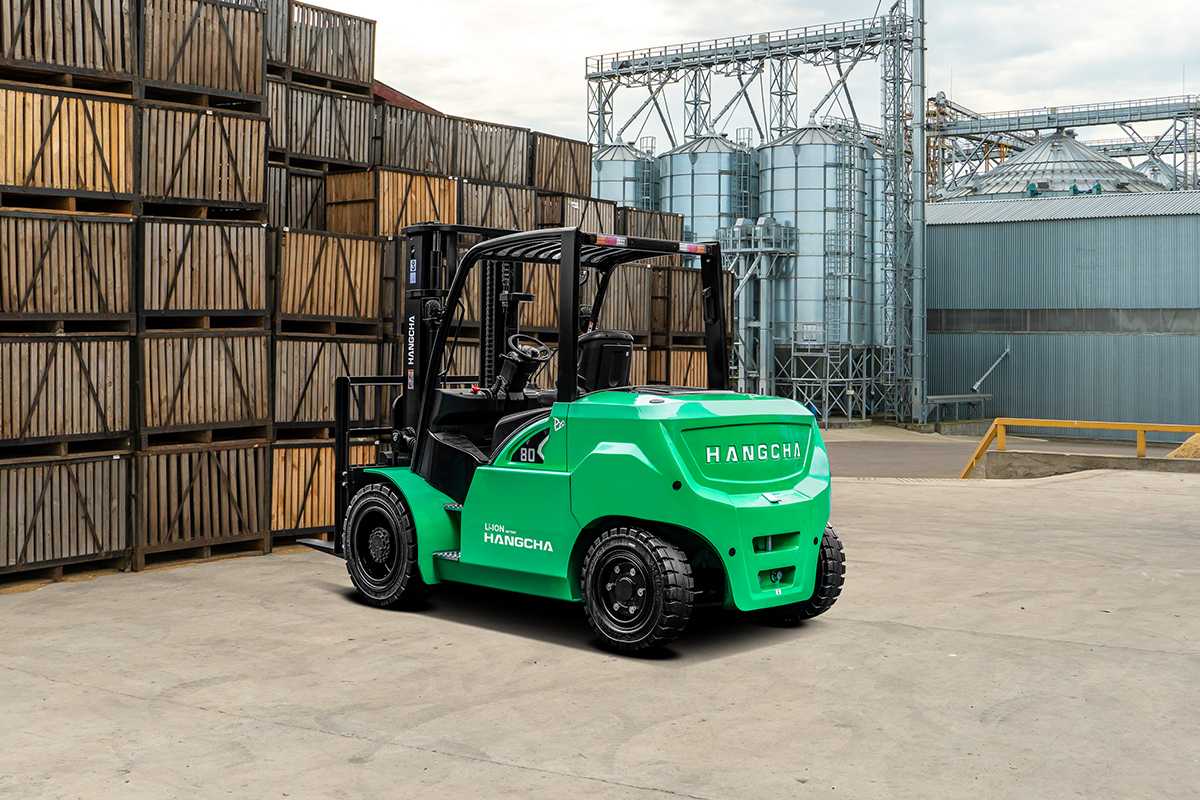
Electric forklifts are ideal for indoor use and lower noise environments. They also tend to have fewer maintenance needs over time.
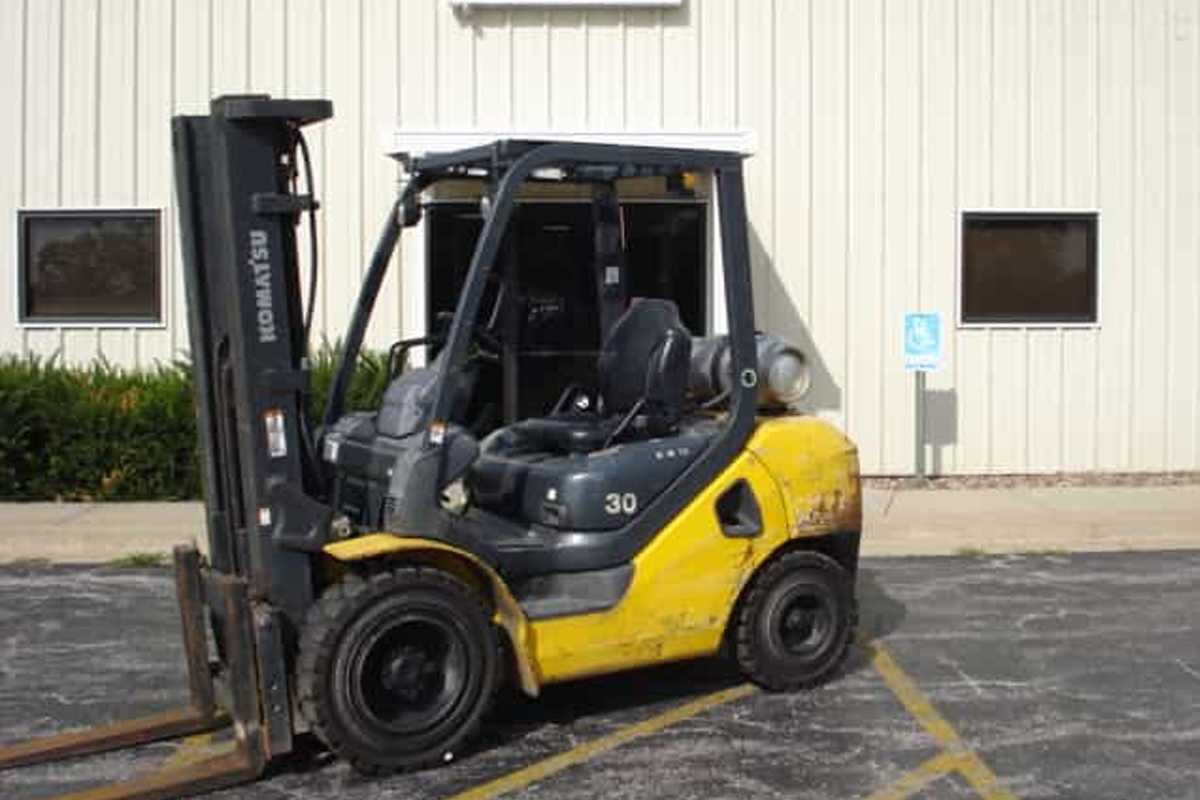
Gas and propane forklifts offer faster refueling and longer continuous use. They are a strong choice for outdoor or heavy-duty work.
Warehouse Forklifts vs. Rough Terrain Forklifts
Warehouse forklifts are designed for smooth surfaces and tight aisles. They allow precise handling and efficient storage.
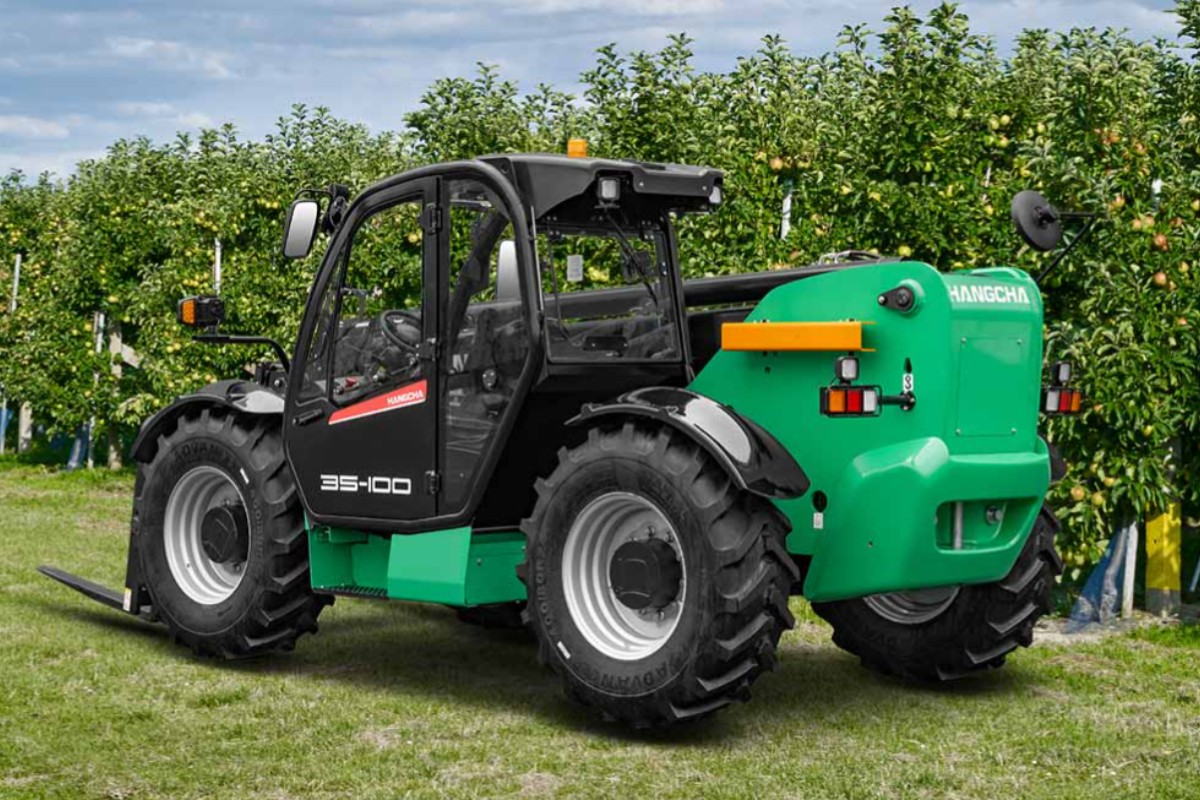
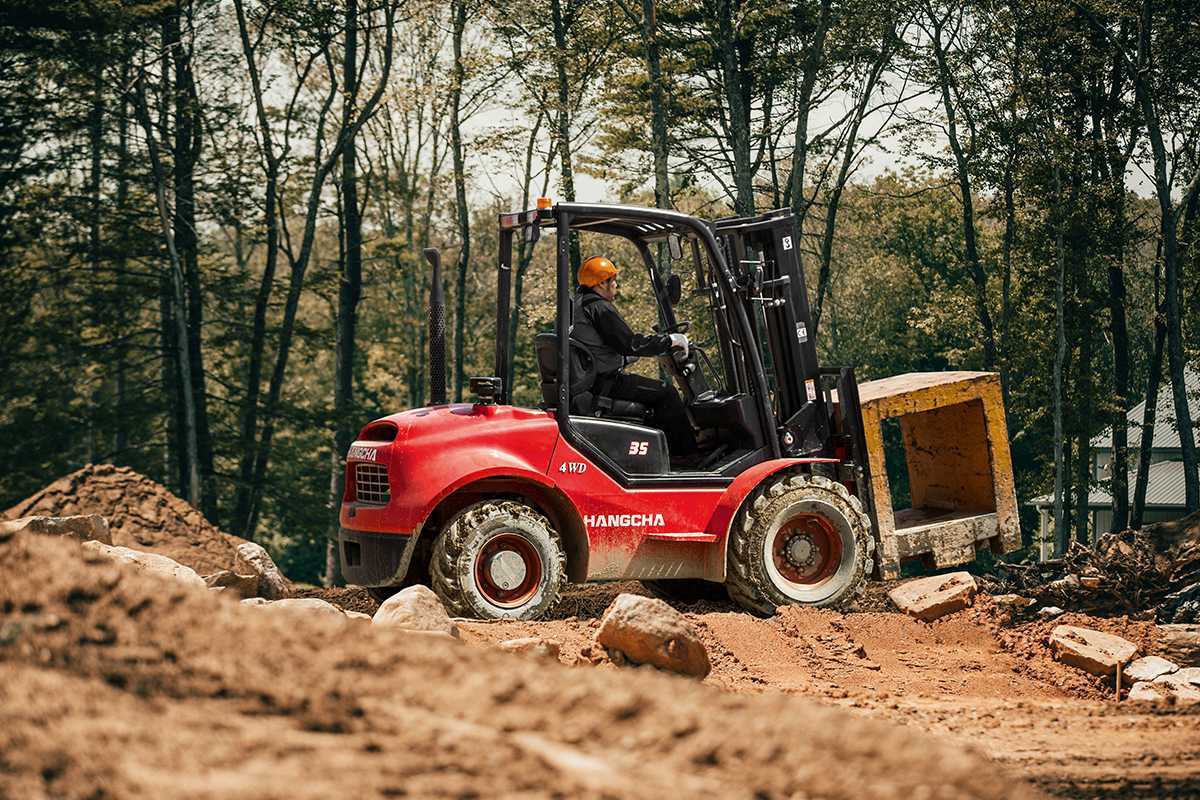
Rough terrain forklifts are built for outdoor use. They have larger tires and better stability on uneven ground.
Do You Need Attachments?
Attachments can expand what your forklift can do. Side shifters, clamps, and fork positioners improve efficiency and reduce manual labor.
Choosing the right attachment depends on the materials you handle. This can make a noticeable difference in productivity.
Understanding Capacity, Lift Height, and Load Requirements
Incorrect specifications can lead to safety issues and inefficiencies. This is one of the most important steps.
How to Determine the Right Weight Capacity
Always plan for your heaviest load. A forklift should handle that weight with a safety margin to avoid strain. Choosing too small a unit increases risk and slows down operations.
Why Load Dimensions Matter, Not Just Weight
Load size affects stability. Long or wide loads shift the center of gravity and reduce lifting capacity. Ignoring dimensions can create safety issues. Always account for both weight and size.
How Lift Height and Mast Type Impact Performance
Lift height determines how high materials can be placed. This is critical for racking systems and storage areas.
Different mast types offer varying visibility and clearance. The right setup improves both safety and efficiency.
Pro Tip: Do not choose a forklift based on weight alone. Load size and lift height must be considered together.
Forklift Rental Costs: What You Should Expect to Pay
Understanding cost structure helps you plan and avoid surprises.
Daily, Weekly, and Monthly Rental Pricing
Daily rentals are useful for short-term needs. Weekly and monthly rentals provide better value for longer projects. Most businesses save money by choosing longer rental terms when possible.
What Factors Affect Forklift Rental Cost
Pricing depends on equipment type, capacity, and attachments. Larger or specialized units cost more to rent.
Rental duration and availability also influence pricing. Planning ahead can help secure better rates.
Hidden Costs to Watch For
Fuel, electricity, and overtime usage can increase your total cost. These are often not included in base pricing.
Damage charges may apply if equipment is misused. Always review your rental agreement carefully.
Need expert help with forklift rentals? Contact RDS Equipment for a free consultation.
What’s Included When Renting a Forklift
Not all rental packages are the same. Understanding what is included helps you avoid gaps.
Delivery and Pickup Options
Most providers offer delivery by trained drivers. This ensures safe transport and proper handling.
Confirm scheduling and access details early. Delays can impact your timeline.
Batteries, Chargers, and Fuel Expectations
Electric forklifts usually include a battery and a charger. Additional batteries may be available for extended use.
Gas or propane fuel is typically not included. You will need to plan for refueling costs.
Available Support and Service
Reliable providers offer service support during your rental. This helps minimize downtime if issues occur.
Access to support is a key factor when choosing a rental partner.
Do You Need Forklift Certification to Rent or Operate?
Safety and compliance are required for all forklift operations.
Is Certification Required When Renting a Forklift?
Yes. OSHA requires operators to be trained and certified before using forklifts. This applies to rentals as well. Certification reduces risk and ensures safe operation.
Who is Responsible for Training and Compliance
The renting business is responsible for ensuring all operators are certified. Proper documentation should always be maintained.
Failing to comply can lead to fines and safety concerns.
Can You Hire a Temporary Operator?
Hiring a certified operator is a practical option if your team is not trained. This allows you to complete your project without delays.
Experienced operators can also improve efficiency and reduce risk.
Maintenance, Repairs, and Downtime Coverage
Maintenance coverage plays a major role in overall cost and reliability.
What Maintenance is Included
Most rentals include routine maintenance and standard wear coverage. This helps keep equipment in working condition. Regular service reduces the risk of breakdowns during your rental period.
What Happens if the Forklift Breaks Down
Providers typically offer repair or replacement services. Response time is important, so confirm this in advance. Fast service helps keep your project on schedule.
What Damage is Not Covered
Damage from misuse or accidents is usually excluded. These costs can add up quickly if operators are not careful. Clear guidelines help protect both your equipment and your budget.
Key Takeaway:
Understand maintenance and damage terms before signing your agreement.
When Renting Makes More Sense Than Buying
Renting is often the better option depending on your needs.
Seasonal Demand and Short-Term Jobs
Short-term projects do not justify the cost of ownership. Renting gives you flexibility without a long-term commitment. This approach helps control costs and reduce financial risk.
Testing Equipment Before Purchasing
Renting allows you to test equipment before buying. This helps ensure it fits your operation. You can make a more informed decision based on real use.
Avoiding Long-Term Maintenance Costs
Ownership includes ongoing service, repairs, and storage. These costs add up over time. Renting shifts that responsibility to the provider and simplifies operations.
How to Choose the Right Rental Partner
The provider you choose affects your entire experience.
Why Local Inventory and Fast Service Matter
Local providers respond faster and reduce downtime. This is important for time-sensitive projects. Quick access to equipment keeps operations moving.
Availability of Multiple Forklift Types
A wide selection ensures you get the right equipment. This prevents compromises that affect performance. Strong inventory supports a better overall experience.
Support, repairs, and response time
Reliable support ensures issues are handled quickly. This protects productivity and reduces delays. Always ask about response times before committing.
Get the Right Forklift for Your Job
Choosing the right forklift starts with understanding your job requirements. Capacity, environment, and usage all play a role in long-term performance. Working with the right provider helps you avoid mistakes and keep operations running smoothly.
Our team focuses on matching the right equipment to your needs with dependable service from start to finish. Contact RDS Equipment today for expert guidance and a quote to rent a forklift.