Which forklift actually holds up outside? Get that wrong, and the cost shows up fast, because an indoor machine on rough ground means stuck tires, strained engines, and costly downtime. The best forklift for outdoor use is built with high ground clearance, rugged tires, and the power to move heavy loads across mud, gravel, and dirt. This guide covers the types, fuel, and tire choices that perform well outside.
Quick Answer: The Best Outdoor Forklift at a Glance
For most outdoor jobs, a rough terrain forklift (Class VII) is the best choice. It sits high off the ground, rolls on thick pneumatic tires, and powers through surfaces that stop a warehouse machine cold.
Your ideal pick still depends on your terrain and loads:
| Job site | Best forklift type | Typical capacity |
| Gravel or dirt construction yard | Rough terrain straight mast | 5,000 to 36,000 lbs |
| Reaching over obstacles or onto trucks | Telehandler (variable reach) | 5,000 to 12,000 lbs |
| Paved lots and loading docks | Pneumatic counterbalance (Class V) | 3,000 to 15,000 lbs |
Key Takeaway: When the ground is loose, uneven, or wet, pick a machine engineered for it. A standard cushion-tire forklift belongs on smooth indoor floors.
Why Indoor Forklifts Fail Outside
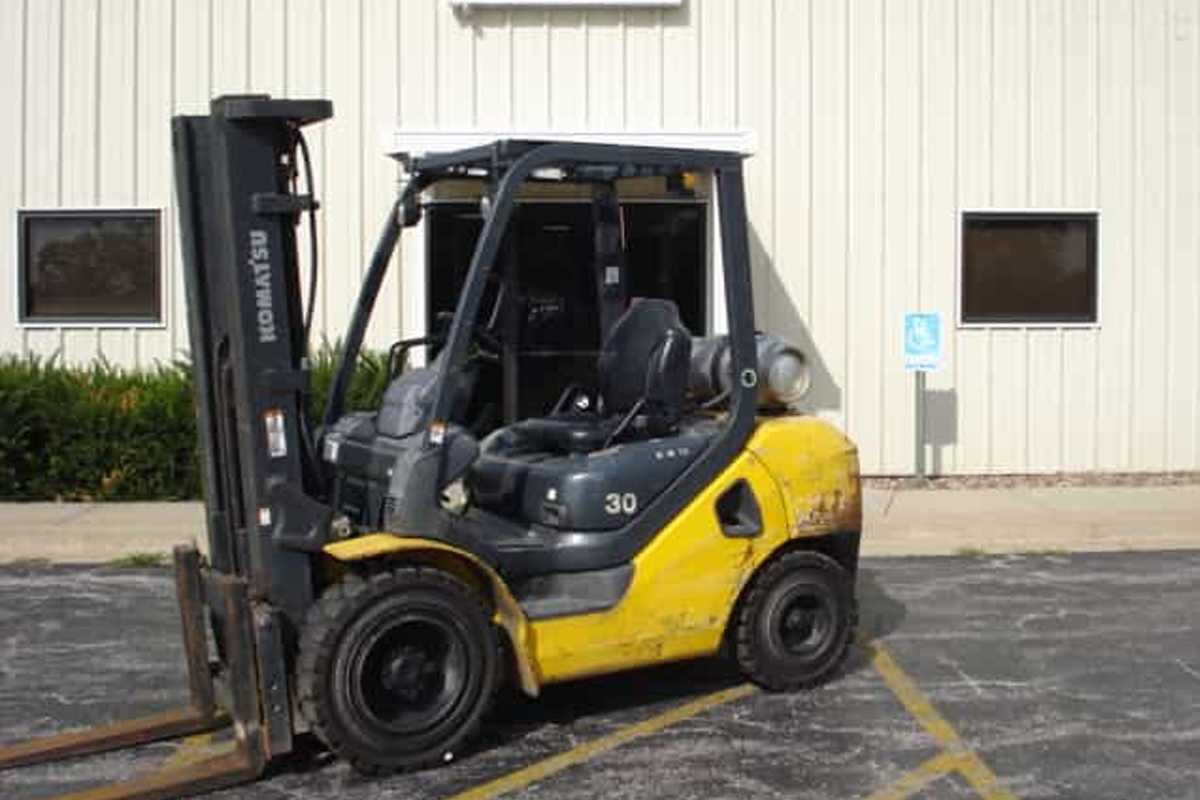
Warehouse forklifts run on smooth cushion tires and sit low to the floor. On gravel or mud, those tires lose grip, the frame drags, and loads become unstable. Many indoor electrics also lack the sealing to survive rain and dust.
Push the wrong machine outdoors, and you invite real problems:
- Lost traction and unsafe lifts
- Rapid wear on tires, hydraulics, and the engine
- Downtime that stalls the entire job
The 3 Forklift Types Built for Outdoor Work
Three machines handle outdoor duty well. Each fits a different mix of terrain and lift height.
Rough Terrain Forklift (Class VII)
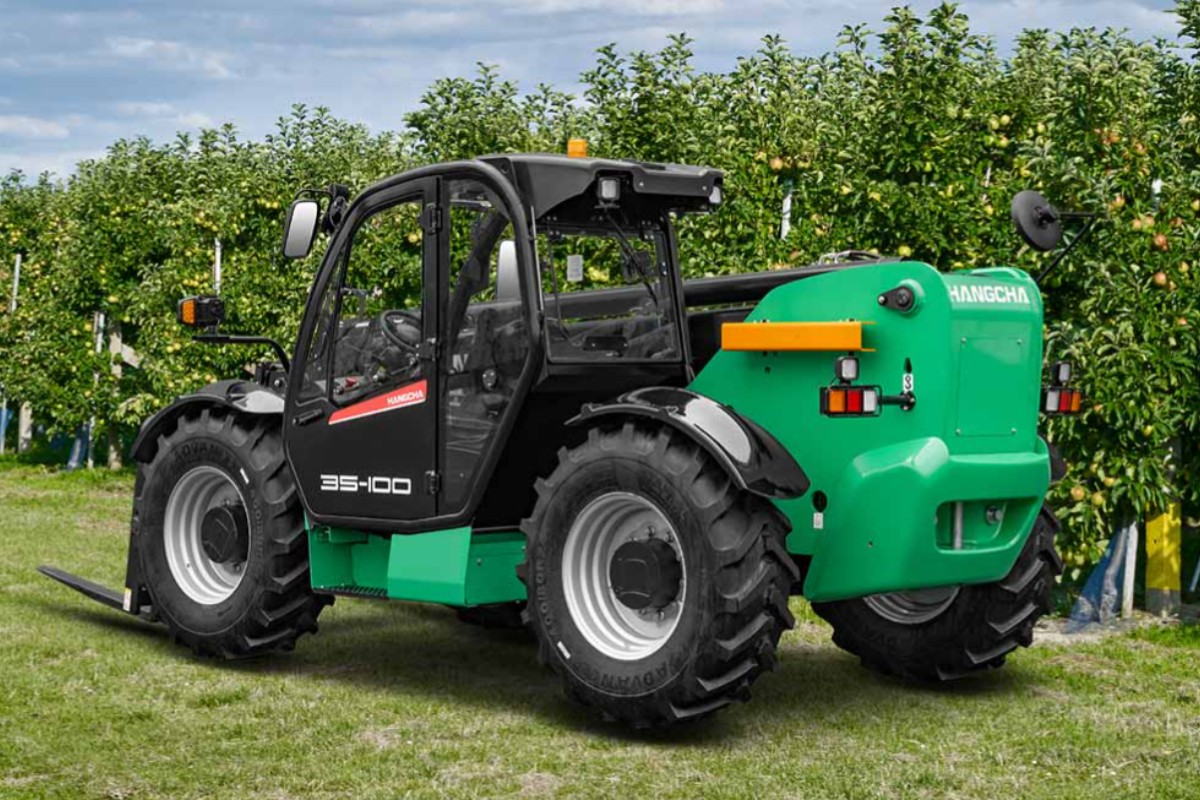
This is our go-to recommendation for open yards and construction sites. Big pneumatic tires, high clearance, and a heavy-duty frame let it carry lumber, brick, and pallets across dirt and gravel. Four-wheel-drive models handle mud and slopes with ease.
Telehandler (Variable Reach)
A telehandler adds a telescoping boom, so you can reach over obstacles, onto scaffolding, or into the back of a trailer. It is the right call when both reach and rough-ground mobility matter on the same site.
Pneumatic Counterbalance Forklift (Class V)
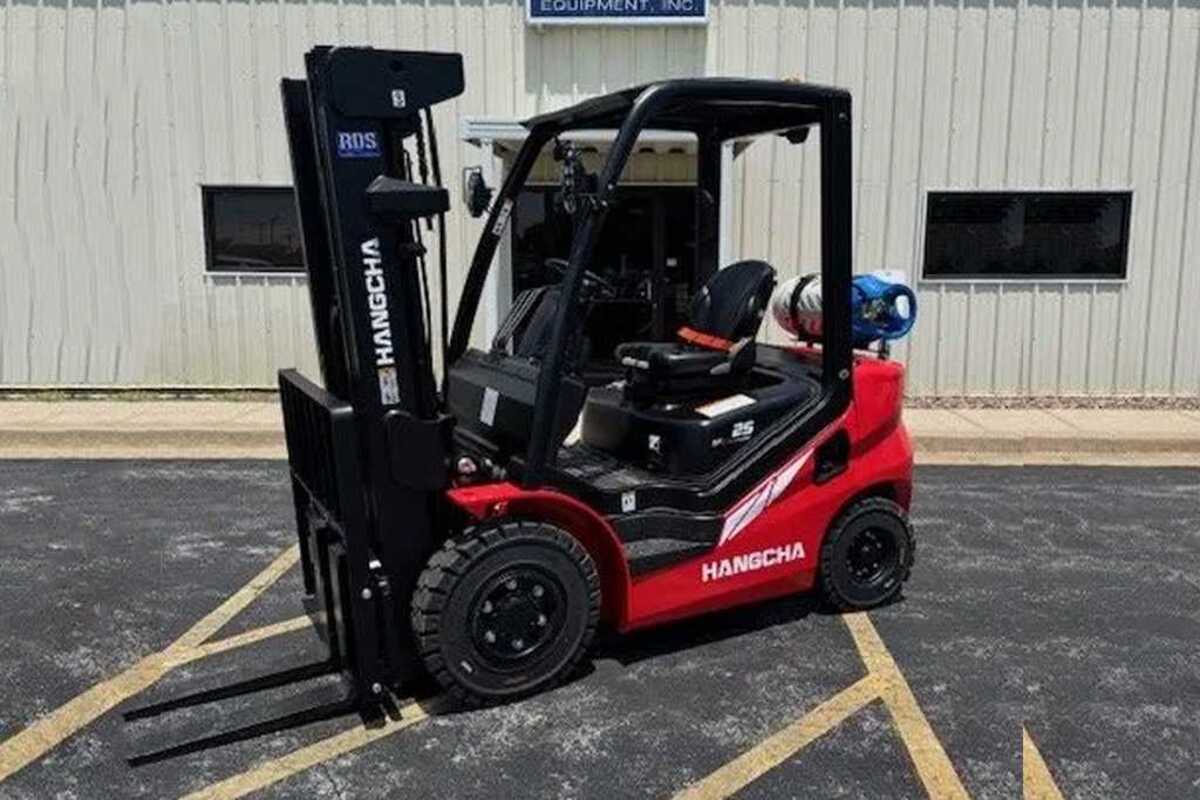
For paved lots, hard-packed dirt, or light outdoor duty, a pneumatic-tire counterbalance often does the job at a lower cost. It bridges yard work and dock work without full rough terrain capability.
Pro Tip: Match capacity to your heaviest load plus a safety margin, and confirm the load center rating. A forklift that lifts 6,000 lbs on paper may handle far less on a slope.
Engine and Power: Diesel, LPG, or Electric
Fuel type shapes how long and how hard your machine can work outside.
Diesel and LPG
Diesel is the workhorse for heavy, all-day outdoor use, delivering strong torque and long run times. LPG offers flexibility and can move indoors briefly when an area is well ventilated.
Ruggedized Electric
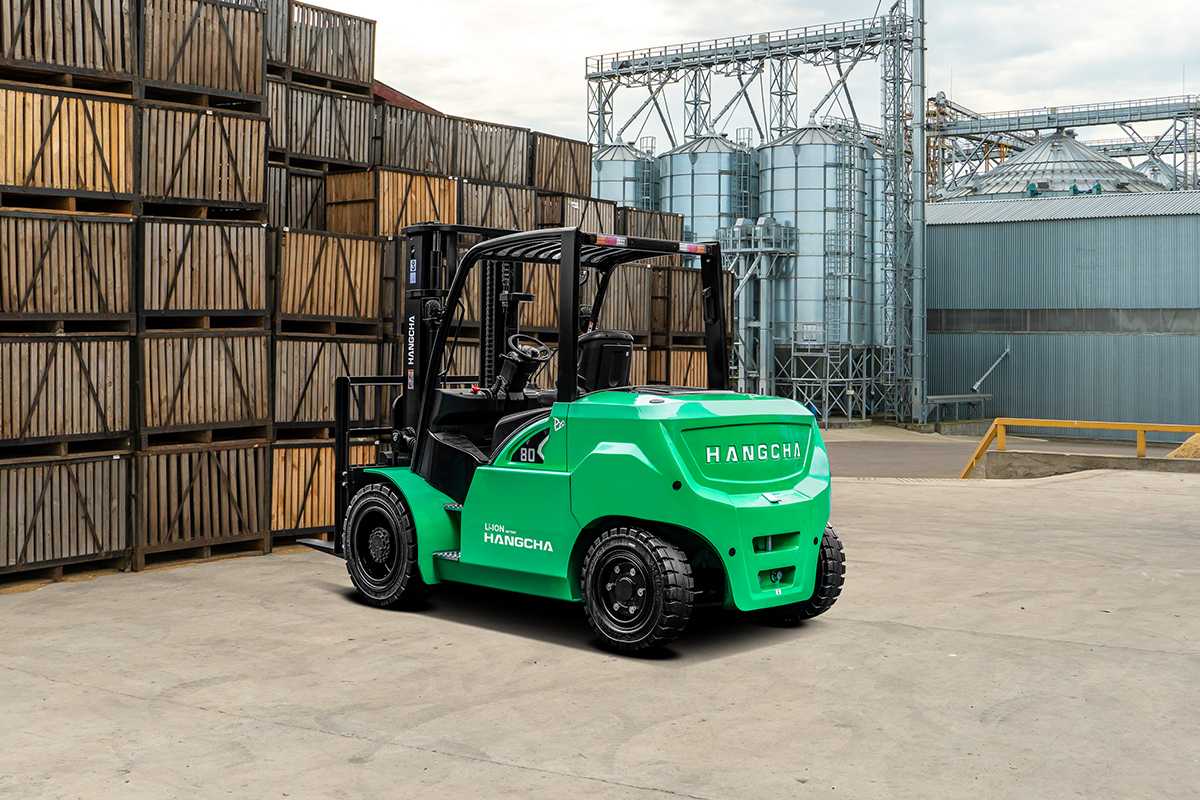
Sealed, ruggedized electric models, including lithium-powered units, now handle outdoor moisture and uneven ground. Keep in mind that cold weather can reduce battery cycle times, so plan charging around your shifts.
How to Choose the Best Forklift for Outdoor Use
Beyond type and fuel, two details decide whether a machine truly performs outside: tires and weather readiness.
Outdoor Tire Types You Should Know
Tires are your contact with the ground, so choose carefully:
- Air pneumatic: Best cushioning over rocks and potholes
- Solid pneumatic: Puncture-proof for debris-heavy sites
- Foam-filled: Pneumatic feel with strong puncture resistance
Can You Run a Forklift for Outdoor Use in Rain or Snow?
Yes, with the right setup. Check the machine’s IP (Ingress Protection) rating; a forklift rated IPX4 or higher can work in the rain. For cold, wet, or dusty climates, choose an enclosed, climate-controlled cab and reduce your speed to keep loads and operators safe.
Pro Tip: Ask for the IP rating in writing before you buy or rent an electric model for outdoor work. It is the clearest sign a machine can handle the elements.
Need help matching a machine to your site? Our team has served the Kansas City area since 1998. Contact RDS Equipment for a free, no-pressure equipment consultation, and we will recommend the right fit for your terrain and budget.
Buy, Rent, or Choose Reconditioned?
Your timeline and workload point to the smartest option:
- Rent for short projects, seasonal peaks, or overflow work.
- Buy new when the machine runs daily, and uptime is critical.
- Choose reconditioned or used for a dependable middle ground that protects your budget.
We stock new, used, and reconditioned outdoor forklifts with capacities from 2,000 to 100,000 lbs, plus a full rental fleet and on-site service.
Key Takeaway: There is no single best machine for every yard. The right outdoor forklift is the one matched to your loads, terrain, weather, and how often you run it.
Get the Right Machine for Your Job Site
The best outdoor performer comes down to terrain, load weight, fuel, and tires, with weather readiness close behind. Get those right, and you gain safer lifts, less downtime, and a machine that earns its keep season after season.
Our team is ready to walk your site, answer your questions, and pair you with equipment that fits the way you work. Call us, request a rental, or schedule a quote today, and let RDS Equipment help you choose the perfect forklift for outdoor use.