Our parts counter gets the same call most weeks. A cushion truck has been working a gravel yard for a few months, the rubber is chipping apart, and the caller wants to know whether a different tire will fix it.
Choosing between cushion and pneumatic forklift tires starts earlier than most buyers expect. The answer usually has more to do with the machine than with the rubber mounted on it.
The Question Behind the Question
Two Different Trucks, Not Two Tire Options
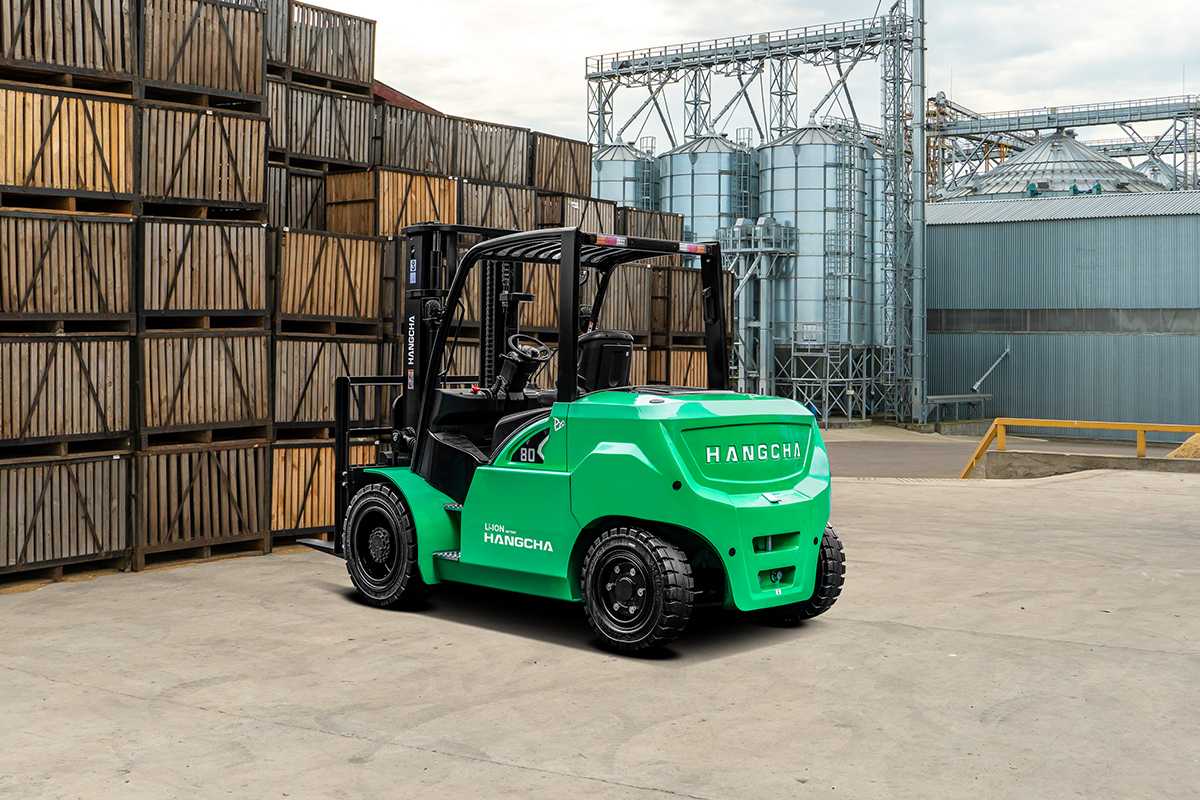
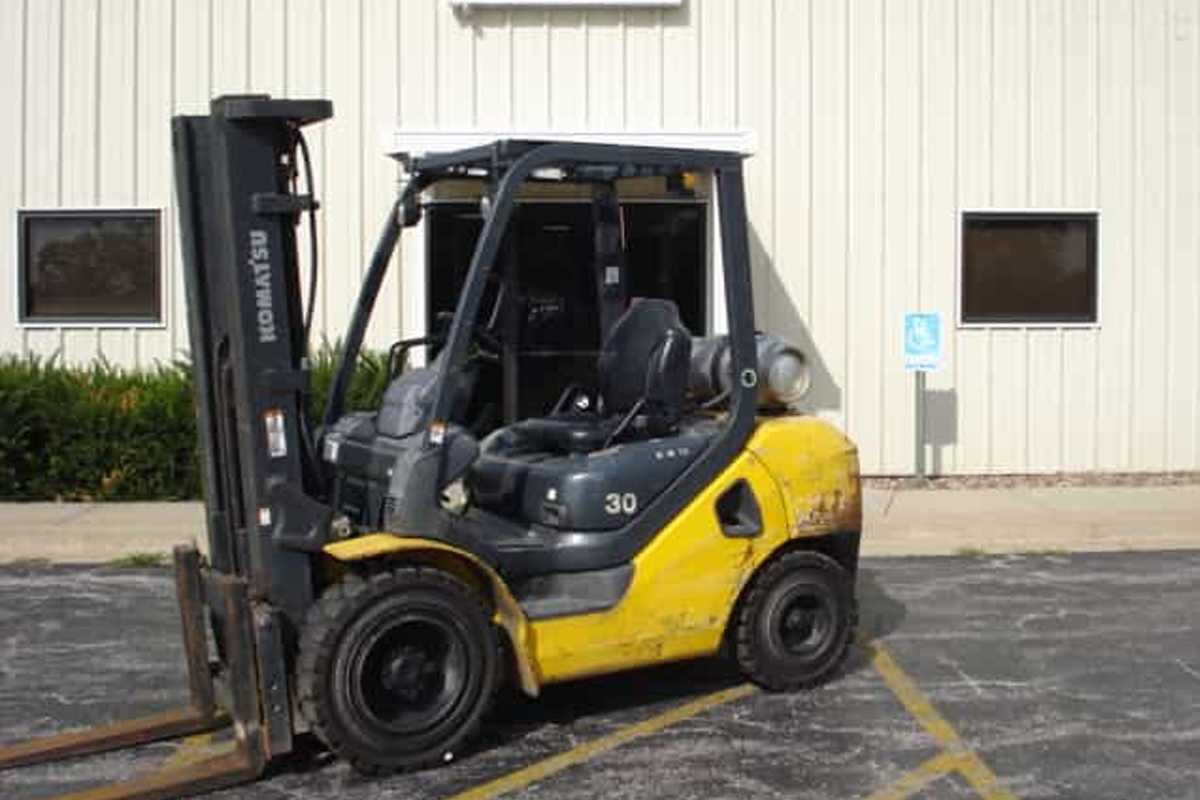
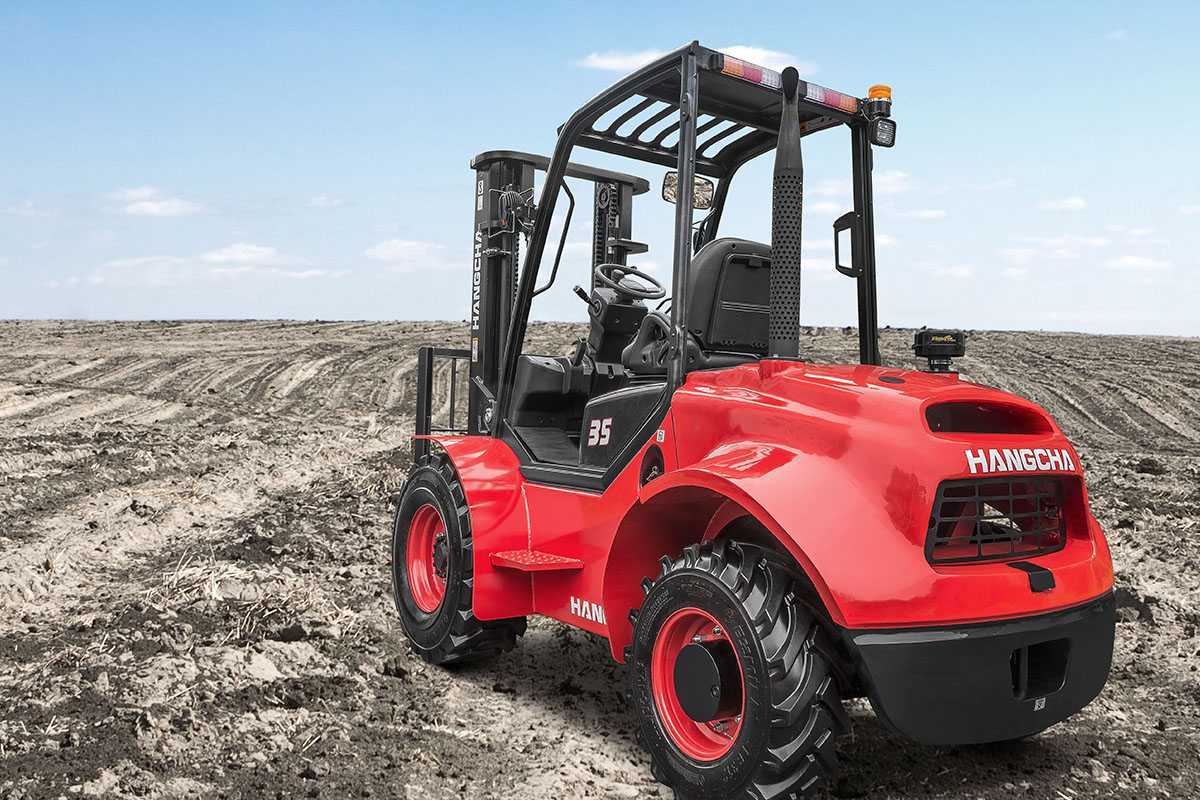
Cushion forklifts and pneumatic forklifts are built on separate chassis. They differ in axle design, ground clearance, wheelbase, and turning geometry. A cushion truck sits low and turns tight. A pneumatic truck rides higher and carries more clearance underneath.
You cannot press cushion tires onto pneumatic rims, and the reverse does not work either. The tire type was decided when the forklift was built.
What That Means for Your Decision
Your situation falls into one of two categories:
- You own the truck already. Your choice is which tire to fit within your existing configuration.
- You are buying or renting. Your choice is which chassis to put on your floor in the first place.
Key Takeaway: If your current forklift keeps destroying tires, the tire is rarely the problem. The truck is working a surface it was never built for.
How Cushion and Pneumatic Forklift Tires Compare
Cushion Tires for Smooth Indoor Concrete
Cushion tires are solid rubber bonded to a steel band and pressed onto the wheel hydraulically. No air, no tread pattern, no inner tube.
They work well on finished concrete in warehouses and distribution centers. The low ground clearance is an advantage for box car and trailer loading, and the tight turning radius suits narrow aisles.
They offer no shock absorption. Gravel, broken asphalt, and dock plate gaps chip and chunk the rubber quickly.
Pneumatic Tires for Yards and Rough Ground
Air-filled pneumatic tires use deep treads and carry the truck higher off the ground. They absorb shock, hold traction on loose surfaces, and reduce operator fatigue over uneven terrain.
The trade-offs are a wider turning radius, higher cost per tire, and the risk of a flat stopping work mid-shift.
Solid Pneumatic as the Third Option
Solid pneumatic tires mount on pneumatic rims and match the pneumatic profile, built from solid rubber instead of air. They cannot go flat.
We spec these often around Kansas City. Lumber yards, scrap and recycling operations, and the distribution facilities near the Logistics Park intermodal all deal with debris that punctures air-filled tires. Freeze and thaw cycles break up local asphalt through the winter and add to the problem.
| Factor | Cushion | Pneumatic | Solid Pneumatic |
| Best surface | Smooth concrete | Gravel, dirt, asphalt | Rough and debris heavy |
| Ground clearance | Low | High | High |
| Turning radius | Tight | Wide | Wide |
| Shock absorption | None | Best | Moderate |
| Flat risk | None | Yes | None |
| Relative cost | Lowest | Moderate | Highest |
Pro Tip: For a genuine fifty-fifty indoor and outdoor operation, solid pneumatic on a pneumatic chassis is usually the right call. It handles the yard and still runs clean on concrete.
Not sure which configuration fits your floor? Call our Independence team at (816) 221-8825 and we will look at your actual operation before recommending anything.
Non-Marking Tires and Floor Requirements
Where They Are Required
Food and beverage plants, pharmaceutical facilities, cleanrooms, and any building with a white floor specification typically require non-marking rubber. Standard black tires leave streaks that fail inspection.
Non-marking versions are available in both cushion and solid pneumatic.
What They Cost You
The carbon black that makes standard rubber durable is what leaves the marks. Removing it shortens service life and raises the price per tire. Plan for more frequent replacement.
Matching Tires to Duty Cycle
Beyond Surface Type
Surface is the starting point. Several other factors change the answer:
- Hours per shift and total travel distance
- Load weight relative to rated capacity
- Ramps, dock plates, and threshold plates
- The real indoor and outdoor split, measured rather than estimated
When to Replace Cushion and Pneumatic Forklift Tires
Press-on cushion tires carry a molded wear line. Replace at that line rather than running past it.
Watch for these separate failure signals:
- Chunking or chipping, which points to a surface mismatch
- Cracking, which indicates age and dry rot
- Flat spotting, which comes from hard braking or long idle periods
- Uneven wear, often a steer tire issue since steer tires wear faster than drive tires
Key Takeaway: Worn tires cost more than the replacement price. They reduce stability, increase operator fatigue, and cause mast oscillation when you lift at height.
Press-on replacement requires a hydraulic press. Our service team handles this work in our Independence shop and in the field.
Frequently Asked Questions
Can I put pneumatic tires on a cushion forklift? No. The two use different wheels and different chassis geometry.
How long do forklift tires last? Between 1,500 and 2,500 hours for most operations, though surface conditions shift that range considerably.
Are cushion tires cheaper? Per tire, yes. Total cost depends on whether your floor suits them.
Get the Right Tire on Your Truck
We have supplied and serviced material handling equipment across the Kansas City area since 1998. Bring us your floor conditions, your shift length, and your load weights, and we will tell you what fits.
Reach us at (816) 221-8825 or visit our shop at 3415 S Blue Ridge Cut Off in Independence, and our team will help you select the right cushion and pneumatic forklift tires for your operation.