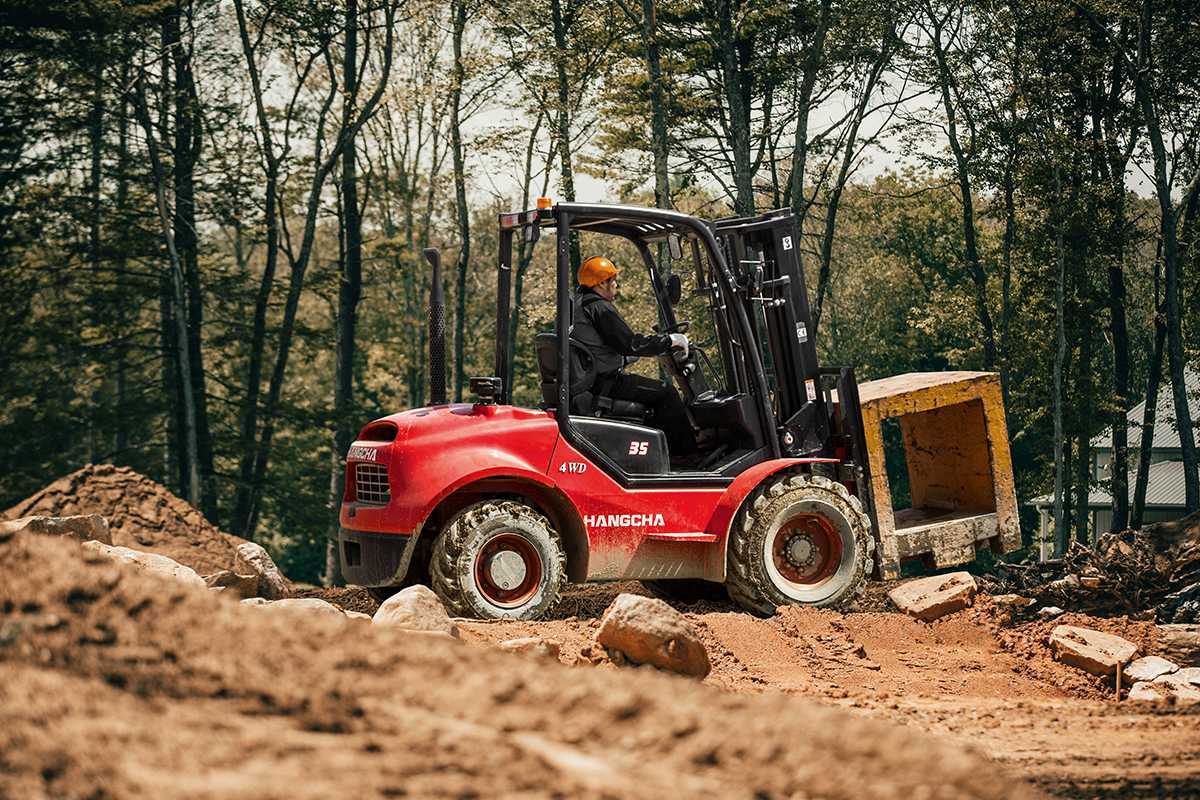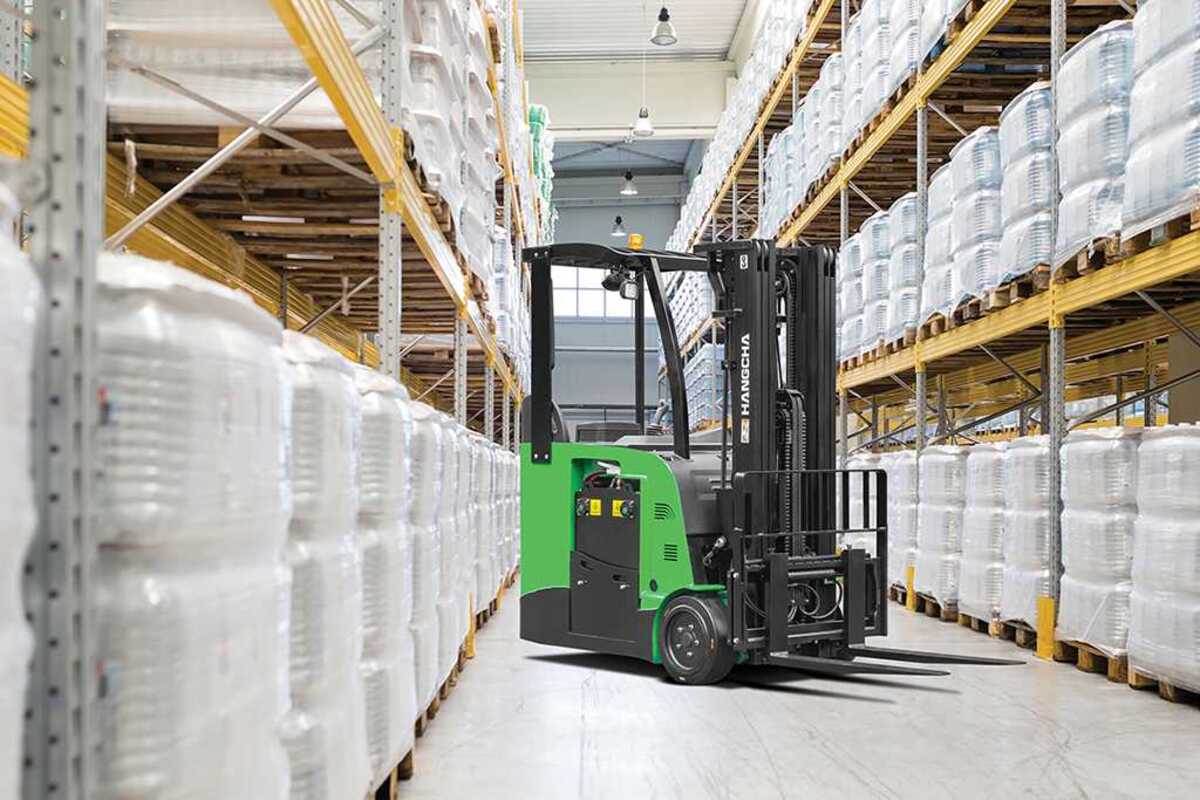
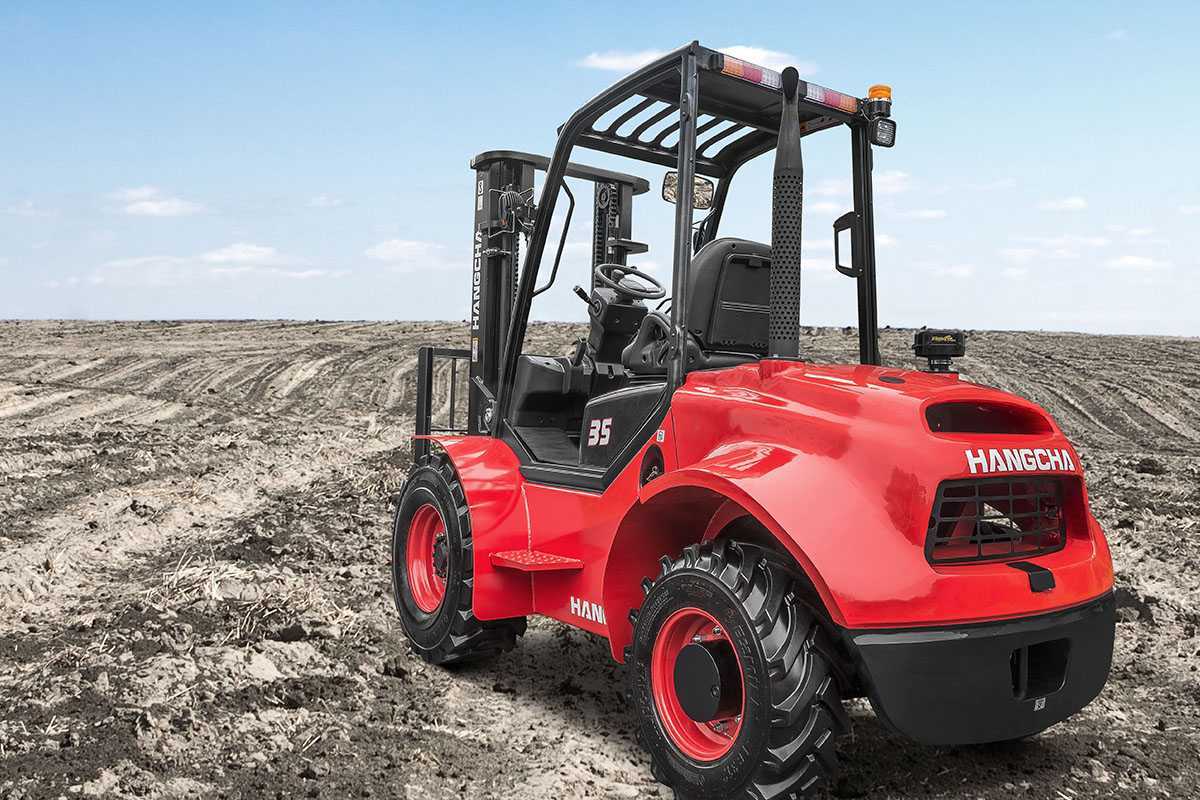
A forklift that ran fine in October can refuse to start on a January morning. Cold weather drains batteries, thickens fluids, and turns loading docks slick, and Kansas City winters bring plenty of all three. Good winter forklift maintenance keeps those problems from stopping a shift. Our service team sees the same cold weather failures every year, so we put together the checks that matter most for electric, propane, and diesel trucks.
Why Cold Weather is Hard on Forklifts
Low temperatures affect almost every system on a lift truck. Kansas City adds freeze and thaw cycles, ice storms, and road salt tracked in from trailers, all of which speed up wear.
Here is what we see most often once temperatures drop:
- Weak batteries. Cold slows the chemical reaction inside a battery, so runtime drops and charging takes longer.
- Thick fluids. Engine oil and hydraulic fluid move slowly until they warm up, which strains pumps and seals.
- Brittle seals and hoses. Rubber stiffens in the cold and cracks more easily under pressure.
- Low tire pressure. Pneumatic tires lose air as temperatures fall, which reduces traction.
- Fuel problems. Diesel can gel, and propane loses pressure in freezing weather.
Winter Forklift Maintenance by Power Type
Each fuel type reacts to cold differently, so your winter plan should match your fleet.
Electric and Lithium-Ion Forklifts
Lead-acid batteries lose noticeable capacity in the cold. Expect shorter runtime on outdoor or unheated work and plan your charging around it.
- Charge batteries in a heated area whenever possible.
- Never charge a frozen battery.
- Keep lead-acid batteries fully charged. A discharged battery freezes at a higher temperature than a charged one.
- Check terminals and cables monthly for corrosion from salt and moisture.
Lithium batteries hold their voltage better through a shift. Many models limit charging below freezing unless they have built-in heaters, so check the spec sheet before charging in an unheated building. If you’re weighing an upgrade, compare lithium and lead-acid batteries for cold weather use.
Propane (LP) Forklifts
Propane tank pressure falls as temperatures drop. Lower pressure leads to hard starts and sluggish power.
- Store spare tanks in a secure, ventilated cage that follows your local fire code.
- Inspect O-rings, valves, and hoses for cracks.
- Have the regulator and vaporizer checked before the season starts.
Diesel Forklifts
Diesel fuel can gel in freezing temperatures and clog filters.
- Switch to winter-blend diesel or add an anti-gel treatment.
- Replace fuel filters and drain water separators before the first hard freeze.
- Test glow plugs, and consider a block heater for trucks parked outside.
- Confirm your coolant is rated for local winter lows.
Pro Tip: Let LP and diesel engines idle for 5 to 10 minutes before lifting. This gives oil and transmission fluid time to reach every component.
Protect Your Hydraulics and Tires
Warm Up the Hydraulic System
Engine idling does little for the hydraulic system. The fluid warms through movement, so cycle the mast before the first lift:
- Raise the forks slowly to full height without a load.
- Lower them slowly.
- Tilt the mast forward and back several times.
- Repeat the cycle two or three times.
This circulates the fluid and softens the seals, which helps prevent leaks. If lifts still feel slow after warm-up, ask your technician whether a cold-rated hydraulic fluid fits your truck.
Check Tire Pressure and Tread
Pneumatic tires can lose pressure quickly in cold air. Check pressure weekly, or daily if trucks move between a heated warehouse and a frozen yard.
Inspect tread depth on any truck that works outdoors, since worn tread on an icy dock raises the risk of a slide or tip-over. Cushion tires are built for smooth indoor floors and should stay off snow and ice. Learn the signs your forklift tires need replacing before the worst weather hits.
Key Takeaway: Most winter breakdowns start with fluids, batteries, or tires. A few minutes of daily checks prevent most of them.
Need expert help getting your fleet ready for winter? Contact RDS Equipment for a free consultation with our service team.
Keep Operators Safe on Ice and Snow
Expand the Daily Inspection
OSHA already requires a pre-shift inspection. In winter, add these items:
- Lights, strobes, and backup alarms for shorter daylight hours
- Cab heaters, defrosters, and wipers on enclosed units
- Horn and brakes, which can respond differently in the cold
Clear Steps, Docks, and Travel Paths
Slips while climbing on or off a forklift are a common winter injury. Have operators knock snow and salt off step treads and grab handles before each shift.
Salt or sand dock plates and outdoor routes. Mark known icy spots, and slow travel speeds near dock doors where melting snow collects.
Pro Tip: Keep a bag of sand and a stiff brush at every dock door. When supplies are within reach, operators actually use them.
Cold Storage and Idle Equipment
Freezer and Cold Storage Operations
Trucks that move between a freezer and a warm dock collect condensation. Moisture inside connectors and electrical components leads to corrosion and intermittent faults.
Limit how often trucks cross between temperature zones, and let them dry before parking. If your operation runs cold storage daily, ask us about freezer-rated components and battery options.
Forklifts That Sit Over Winter
Idle units need attention too.
- Run internal combustion forklifts for about 30 minutes each week.
- Keep electric units on a maintenance charge.
- Store equipment indoors when possible, and cover any unit that stays outside.
Your Cold Weather Forklift Checklist
Daily Winter Forklift Maintenance Checks
- Warm up the engine and cycle the hydraulics
- Check tire pressure on trucks working outdoors
- Inspect lights, alarms, and brakes
- Clear snow and salt from steps and handles
- Look for fresh leaks under the truck
Pre-Season Checks
- Test battery health and charger performance
- Replace fuel filters and add anti-gel treatment
- Verify coolant protection level
- Inspect hoses, seals, and LP tank fittings
- Schedule a full service visit
For year-round tasks, use our complete forklift maintenance checklist.
Key Takeaway: Pre-season service costs far less than an emergency repair in the middle of a January shift.
Get Your Fleet Ready With RDS Equipment
The right preparation keeps your trucks working through the coldest months. Our field and shop technicians service electric, propane, and diesel forklifts across the Kansas City area, and we keep the parts that winter repairs call for in stock.
A planned maintenance program puts your fleet on a regular schedule, so small cold weather problems get caught early. Call us or request a service visit today to schedule your winter forklift maintenance.