The wrong battery charger for a forklift can void your warranty, damage your battery, and cost you several thousand dollars in a replacement you never planned for. Industrial forklift batteries are a serious investment, and most of the premature failures we see in the field trace back to one preventable mistake: using the wrong charger.
This guide covers everything you need to make the right call, from battery types and charger categories to voltage matching and operational planning.
Why Charger Selection Matters More Than You Think
Getting this decision wrong is not just a minor inconvenience. It creates compounding problems that affect your budget, your team, and your uptime.
The Real Cost of a Mismatched Charger
- Incorrect chargers can void your battery manufacturer’s warranty outright.
- Overcharging degrades battery cells and cuts years off the overall lifespan.
- Undercharging causes sulfation in lead-acid batteries, leading to permanent capacity loss.
Safety Risks You Cannot Ignore
Improper charging generates excess heat and accelerates hydrogen gas release, particularly in flooded lead-acid batteries. In an enclosed warehouse or charging room, that is a genuine hazard. A properly matched charger with built-in temperature monitoring keeps both your facility and your team safe.
Key Takeaway: A charger that does not match your battery specs does not just reduce performance. It actively damages your equipment and creates real safety risks on the floor.
Know Your Forklift Battery Type Before You Buy
Before selecting any charger, you need to confirm what battery your forklift runs on. Not every charger is compatible with every battery chemistry, and assuming they are is one of the most expensive assumptions you can make.
Lead-Acid Batteries
Lead-acid is still the most common battery type in industrial forklifts. Flooded lead-acid batteries require full charge cycles and regular watering. They are compatible with a wide range of charger technologies but perform best with modern high-frequency or smart chargers.
Lithium-Ion Batteries
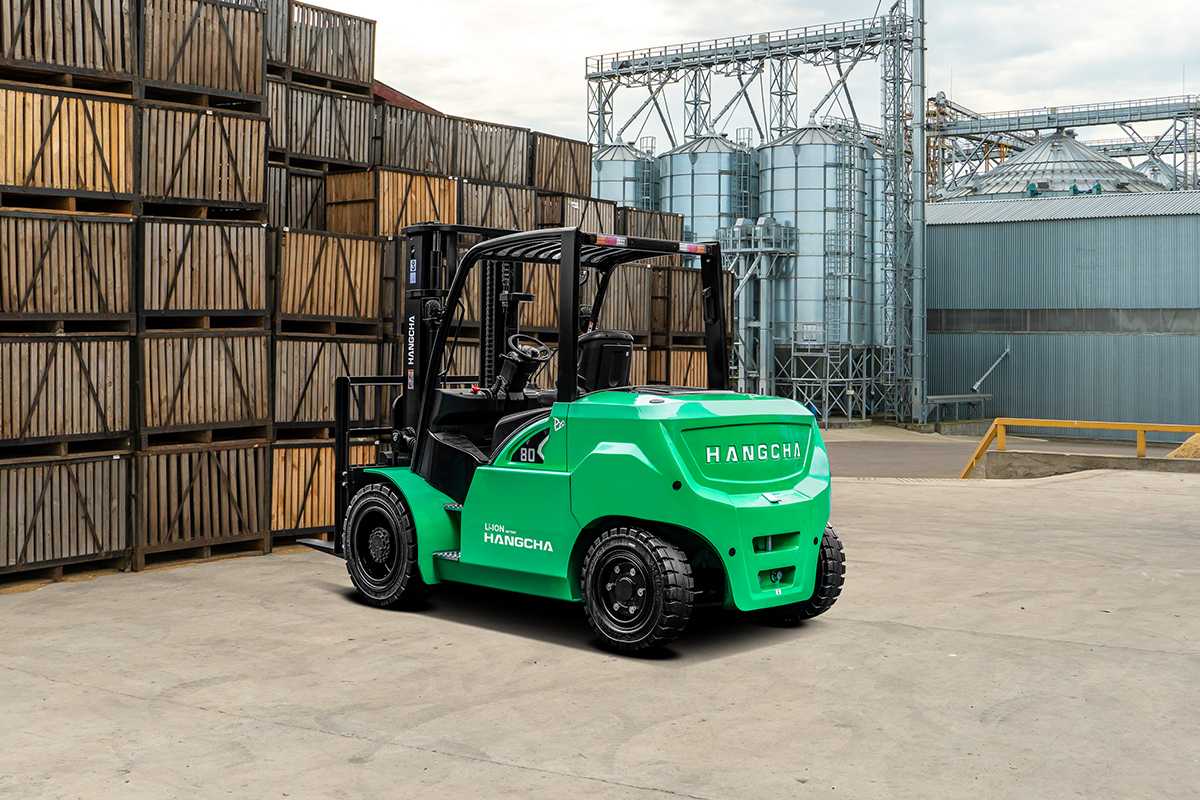
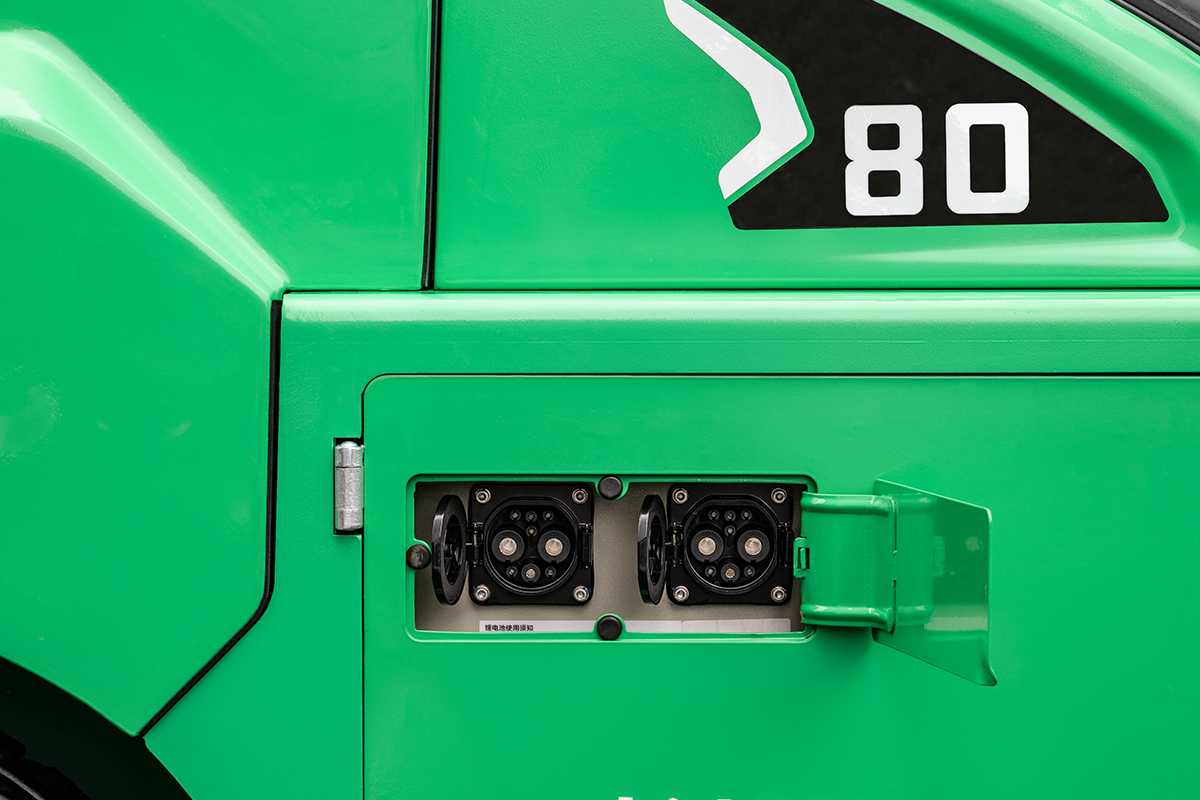
Lithium-ion batteries require a dedicated charger with CAN-bus communication capability. Using a conventional lead-acid charger on a lithium battery can trigger a battery management system fault or cause permanent cell damage. If your operation has made the switch to lithium, the charger must match.
How to Read Your Battery Nameplate
Every forklift battery has a nameplate listing voltage, ampere-hour (AH) rating, and cell count. Those three numbers drive every charger decision. Match charger specs to that nameplate before purchasing anything.
Pro Tip: Do not assume your existing charger works with a replacement battery, even from the same brand. Always verify specs against the nameplate before the first charge cycle.
The 4 Main Types of Battery Chargers for Forklifts
Understanding the charger categories helps you match the right technology to your operation’s actual demands.
| Charger Type | Best For | Typical Charge Time |
| Conventional/Ferroresonant | Single-shift, budget-conscious | 8 hours |
| High-Frequency | Multi-shift, energy efficiency | 6–8 hours |
| Opportunity | Break-time top-offs | 1–2 hours per session |
| Fast Charger | 24/7 operations | 1–2 hours full charge |
Conventional and High-Frequency Chargers
Conventional chargers are reliable and cost-effective for single-shift operations where overnight charging is standard. High-frequency chargers run cooler, use less energy, and are a better long-term investment for most modern warehouse environments.
Opportunity and Fast Chargers
Opportunity chargers are built for partial charging during breaks or shift transitions. They work well where swapping batteries is not practical. Fast chargers support around-the-clock operations but require proper ventilation and thermal management to prevent heat-related battery stress.
Pro Tip: Fast chargers increase productivity significantly but can accelerate battery wear without proper temperature monitoring. Budget for the full charging system, not just the unit itself.
Not sure which charger type fits your fleet? Contact RDS Equipment for a free consultation. Our team will help you find the right solution for your specific operation and shift schedule.
How to Match Voltage and Calculate the Right Amperage
Matching Charger Voltage to Your Battery
Common forklift battery voltages include 24V, 36V, 48V, 72V, and 80V. Your charger output voltage must match your battery voltage exactly. Even a close mismatch, consistently applied over dozens of charge cycles, causes measurable long-term damage.
How to Pick the Right Battery Charger for Your Forklift Using AH Formulas
Use these standard formulas based on your charging schedule:
- Standard overnight charge: Battery AH x 17% = Minimum charger AH output
- Opportunity charge: Battery AH x 25% = Minimum charger AH output
- Fast charge: Battery AH x 40% = Minimum charger AH output
Example: A 600 AH battery needs at least a 102A charger for a standard overnight charge. Go lower than that, and the battery will not reach a full state of charge before the next shift starts.
Operational Factors That Shape Your Charger Choice
Charger selection is as much a facility decision as it is a product decision. The right charger for a single-shift warehouse may be completely wrong for a 24/7 distribution center.
Shift Schedule and Fleet Size
Single-shift operations can manage comfortably with conventional overnight chargers. Double or triple-shift operations need opportunities or fast charging systems to keep batteries available without extended downtime between shifts.
For larger fleets, centralized charging stations with multiple bays are more efficient and easier to manage than individual chargers assigned to each battery.
Facility Power Supply
Not every warehouse can support fast chargers. Most high-output chargers require three-phase power input. Before committing to a charger type, confirm your facility’s available input voltage, amperage capacity, and whether electrical upgrades will be needed.
Key Takeaway: Walking into a charger purchase without checking your facility’s power supply is one of the most common and avoidable mistakes we see. Know your input specs before you buy.
Smart Charger Features Worth the Investment
Modern chargers offer features that extend battery life and give fleet managers better visibility into their equipment.
- Automatic temperature compensation adjusts the charge rate based on ambient and battery temperature, preventing overcharging in warm environments.
- Equalization mode applies a controlled overcharge periodically to balance lead-acid cells and restore capacity.
- Data logging and remote monitoring provide real-time insight into charge cycles, energy consumption, and battery health.
- Automatic shutoff stops charging when the battery reaches full capacity, preventing the overcharge damage that shortens battery life.
Quick Charger Selection Checklist
Before finalizing any purchase, run through this list:
- Confirm battery chemistry: lead-acid or lithium-ion
- Match charger output voltage to battery nameplate voltage
- Calculate the minimum AH output based on your shift schedule
- Verify facility input voltage and phase compatibility
- Account for fleet size and total charging stations required
- Select smart features based on operational demands and budget
Get the Right Battery Charger for Your Forklift From Day One
The variables involved in this decision are manageable when you approach them in order: battery type, voltage, AH requirements, charger category, and facility capabilities. Skipping any one of those steps is where operators run into trouble.
At RDS Equipment, we work with warehouse managers and fleet operators to match the right industrial equipment to their specific operational needs. Whether you are setting up a single-forklift charging station or managing a multi-shift fleet, we carry the equipment and the expertise to get it right.
Reach out to RDS Equipment today and make sure your operation is running the right battery charger for your forklift.