The wrong forklift can cost a business for years in fuel, maintenance, and downtime. Most buyers feel stuck the moment they see the options, because forklift fuel types each carry their own strengths, trade-offs, and ideal jobs.
We sell and service every type here in Kansas City, so we help operators make this call. This guide breaks down each option in plain terms so you can match the right power source to your work.
Electric Forklifts
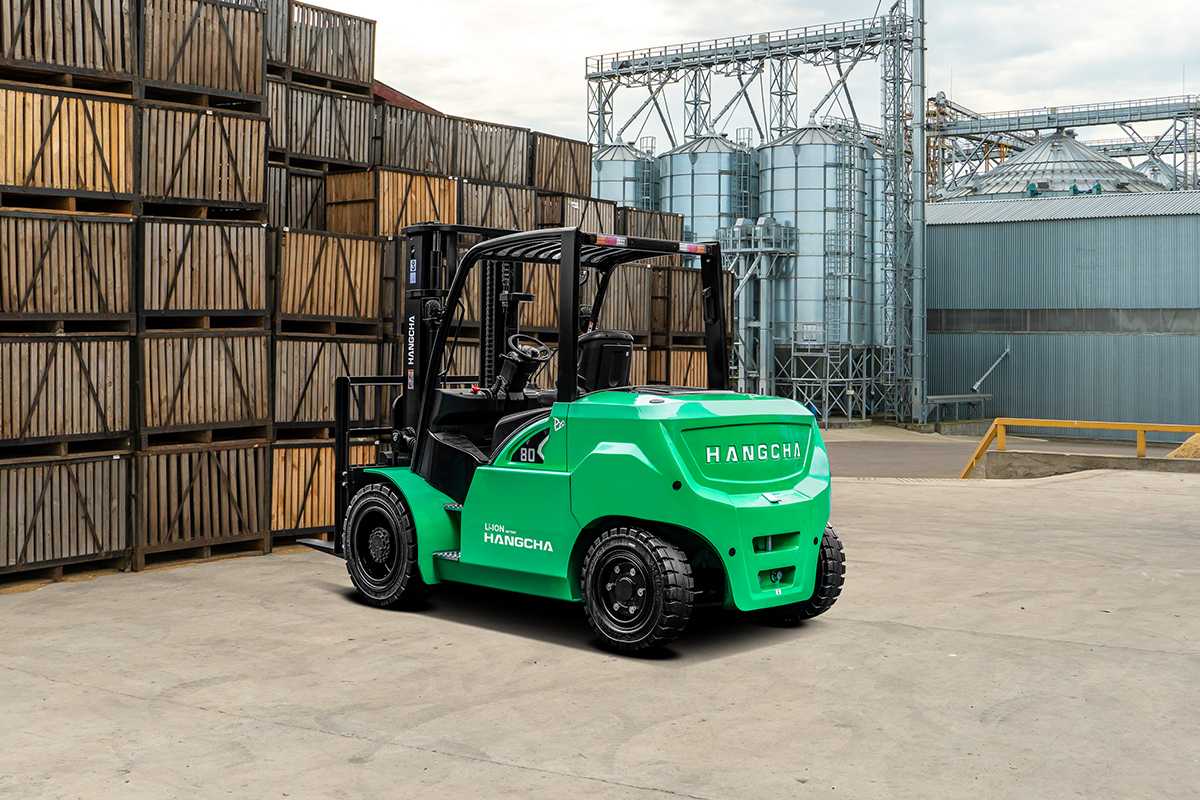
Electric forklifts run on a battery instead of an engine, which means no exhaust and very little noise. They are the top choice for indoor work like warehousing, food storage, and retail stockrooms. The battery sits low in the chassis and doubles as a counterweight, which also improves rear visibility for the operator.
Lithium-Ion Forklifts
Lithium is the option we recommend most, and for good reason. These batteries charge faster, need no watering, and deliver steady power until they run empty, so productivity stays high right to the end of a shift. They also support quick top-ups during breaks, which makes them ideal for two-shift and three-shift operations.
The advantages add up quickly:
- Opportunity charging during breaks removes the need to swap heavy batteries
- No acid, no watering, and no spills, which means safer handling and less labor
- Consistent power with no voltage drop as the charge runs down
- Longer service life and far fewer maintenance touchpoints
- No dedicated charging room, which frees up valuable floor space
- Strong performance in cold storage and demanding environments
A common myth says lithium is too expensive to justify. The upfront price runs higher, yet lower maintenance, longer life, and reclaimed uptime usually make it the most cost-effective choice over the years you own the machine. We help operators run those numbers honestly.
Lead-Acid Battery Forklifts
Lead-acid is the traditional battery and still the most common. It carries a lower upfront price and handles single-shift work well.
The trade-offs are real. These batteries need regular watering, scheduled charging, and a ventilated charging area, and they lose power toward the end of a long shift.
- Best for: single-shift indoor operations working with a tighter equipment budget
Pro Tip: If you run more than one shift, lithium often pays for itself through uptime alone. Ask our team how it compares for your hours, and explore our lithium battery resources to dig deeper.
Internal Combustion Forklifts
Internal combustion (IC) forklifts burn fuel in an engine. They refuel in minutes, deliver strong power, and handle outdoor and heavy work that batteries can struggle with.
LPG (Propane) Forklifts
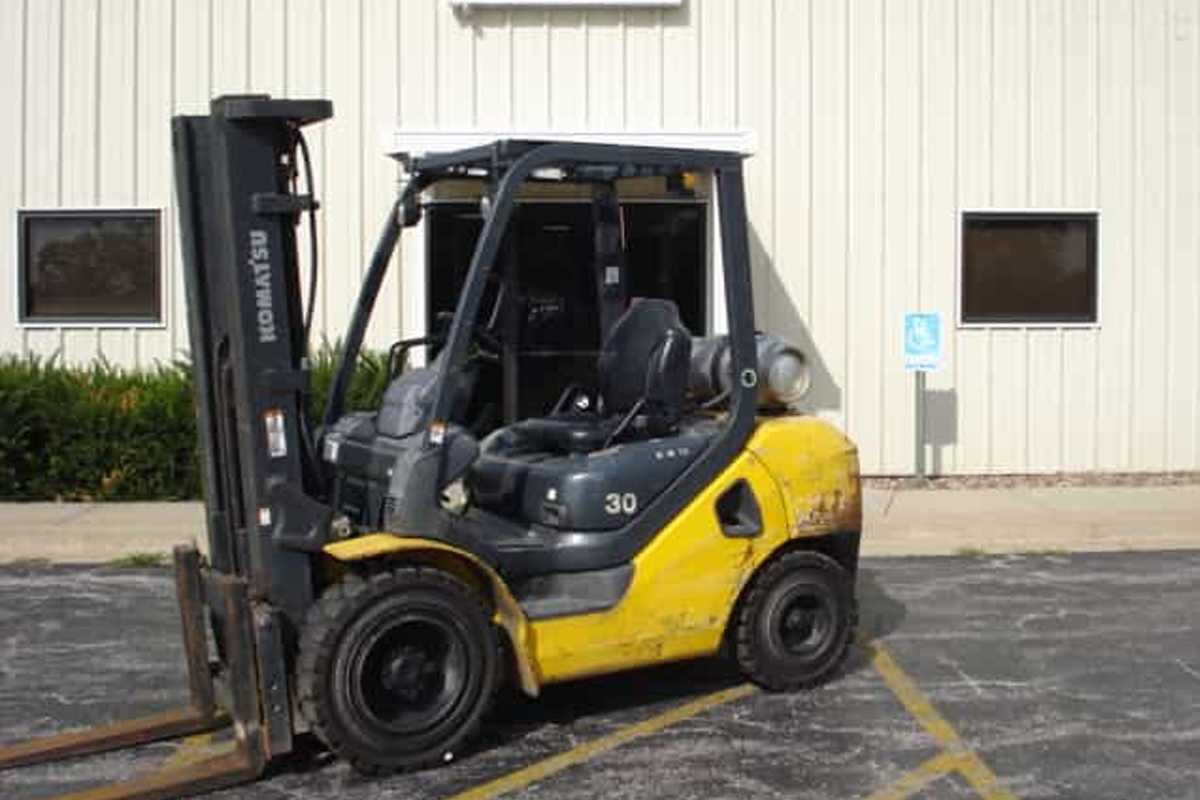
Propane is the most popular IC option because cylinders swap out fast, and the units work both indoors with proper ventilation and outdoors. They offer a solid balance of power, cost, and flexibility.
Dual-Fuel Forklifts
Dual-fuel models run on propane or gasoline, one at a time. That flexibility helps when fuel access varies or a job site lacks reliable propane delivery.
Diesel Forklifts
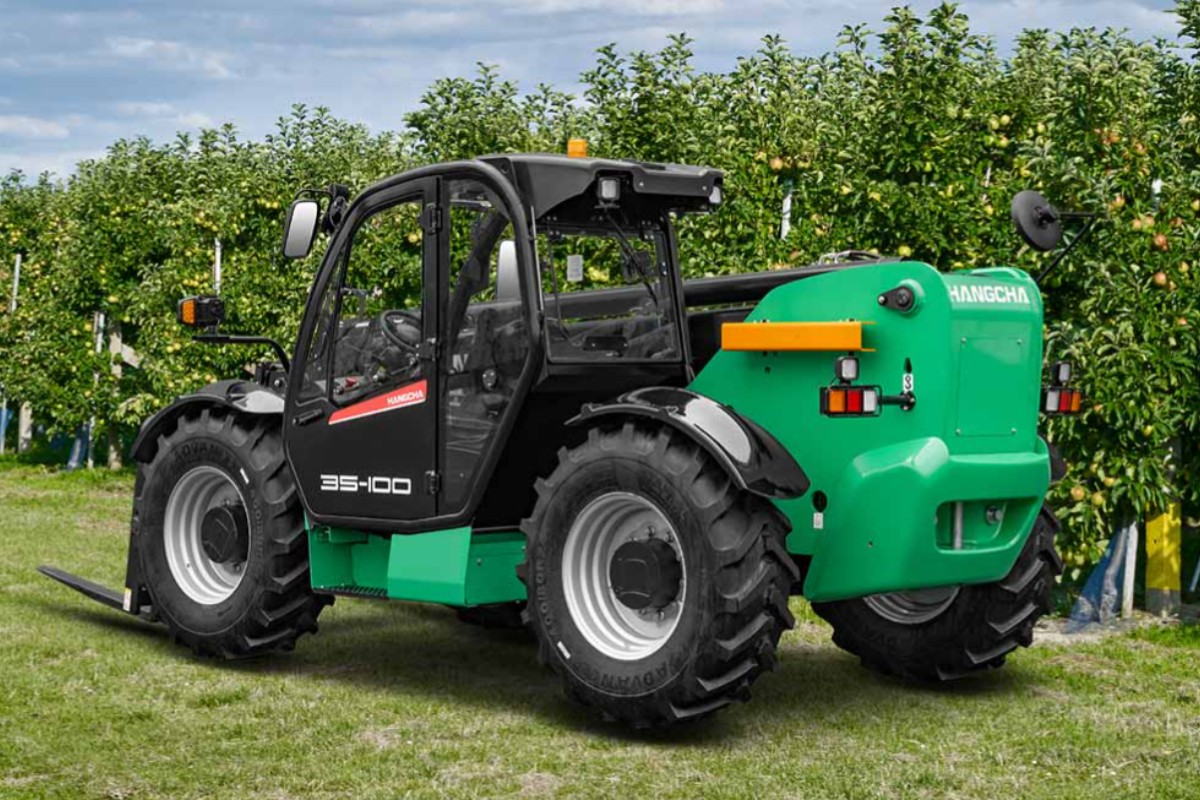
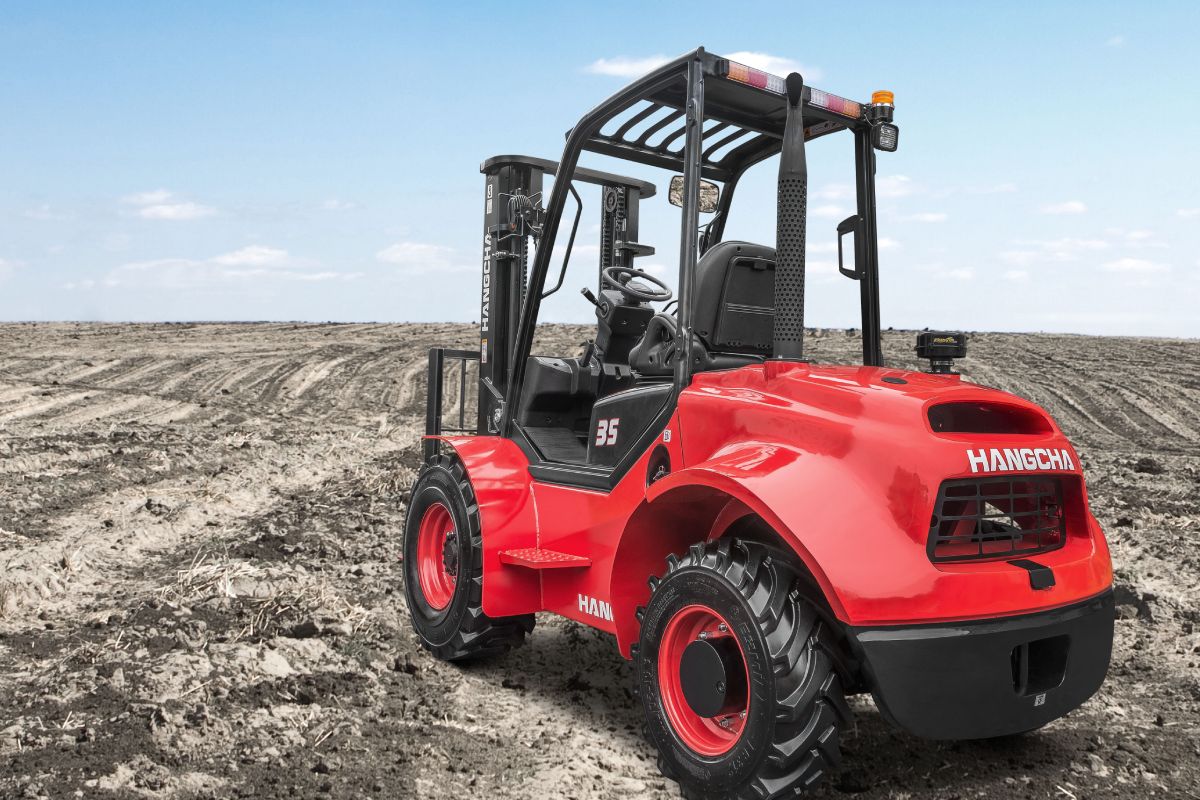
Diesel delivers the most torque and excels outdoors on rough terrain and with heavy loads. These machines are built tough and hold strong resale value. They are not suited to enclosed indoor spaces because of their emissions.
Key Takeaway: Electric suits clean indoor work, propane fits mixed indoor and outdoor jobs, and diesel rules heavy outdoor lifting.
Comparing Forklift Fuel Types at a Glance
| Fuel Type | Best Use | Emissions | Operating Cost | Refuel or Recharge |
| Electric (lithium or lead-acid) | Indoor, clean, low-noise sites | None | Lowest | Recharge |
| LPG (propane) | Mixed indoor and outdoor | Moderate | Mid-range | Fast cylinder swap |
| Dual-fuel | Sites with variable fuel access | Moderate | Mid-range | Propane or gasoline |
| Diesel | Heavy outdoor and rough terrain | Highest | Higher | Fast refuel |
What It Really Costs to Own
Sticker price tells only part of the story. The smarter measure is total cost of ownership, which adds up fuel or charging, maintenance, downtime, and lifespan across the years you own the machine.
Operating Cost and Maintenance
Electric forklifts have far fewer moving parts, so they need fewer repairs and less routine service. IC forklifts require engine upkeep, such as oil, filters, and tune-ups, which raises long-term costs.
Uptime, Lifespan, and Infrastructure
Electric models tend to last longer and run more reliably, though they need charging space and a power setup. IC machines refuel instantly and require no charging area, which matters when downtime is expensive. Match the choice to how hard and how often you run.
Need help weighing these options for your operation? Contact RDS Equipment for a free, no-pressure consultation, and we will recommend the right fit.
How to Choose the Right Forklift for Your Job
6 Questions to Narrow Your Forklift Fuel Types
Run through these before you buy:
- How much lifting capacity do you need?
- Will the forklift work indoors, outdoors, or both?
- How tight are your aisles and storage space?
- What terrain and surface conditions will it face?
- How many shifts will it run each day?
- Are emissions, air quality, or noise a concern?
Safety and Emissions Factors
Indoor air quality and operator safety should guide any IC purchase. Propane and diesel units need proper ventilation, and many indoor sites monitor carbon monoxide. Electric models remove that worry and run quietly, which lowers noise exposure on a busy floor.
Key Takeaway: Newer options like compressed natural gas and hydrogen fuel cells are growing for large fleets, though most local operations are still best served by electric, propane, or diesel today.
Choose the Right Forklift With RDS Equipment
The best forklift is the one matched to your loads, your space, and your schedule. Since 1998, our family-owned team has helped Kansas City businesses make that match with new, used, and reconditioned machines in every power option.
We also offer rentals so you can test a unit before you buy, plus financing, parts, and in-house service to keep you running. Reach out today for a free quote, and let our team help you compare forklift fuel types and find the perfect fit for your operation.