Choosing between a sit-down and stand-up forklift changes more than how your operator gets in and out of the seat. It affects your aisle width, your daily pick rates, and how much you spend on maintenance over the life of the machine. Most warehouse managers get pointed toward one type without anyone explaining why it actually fits their layout. This guide breaks down what separates these two forklift styles and helps you match the right one to your operation, your budget, and your team.
What is a Sit-Down Forklift?
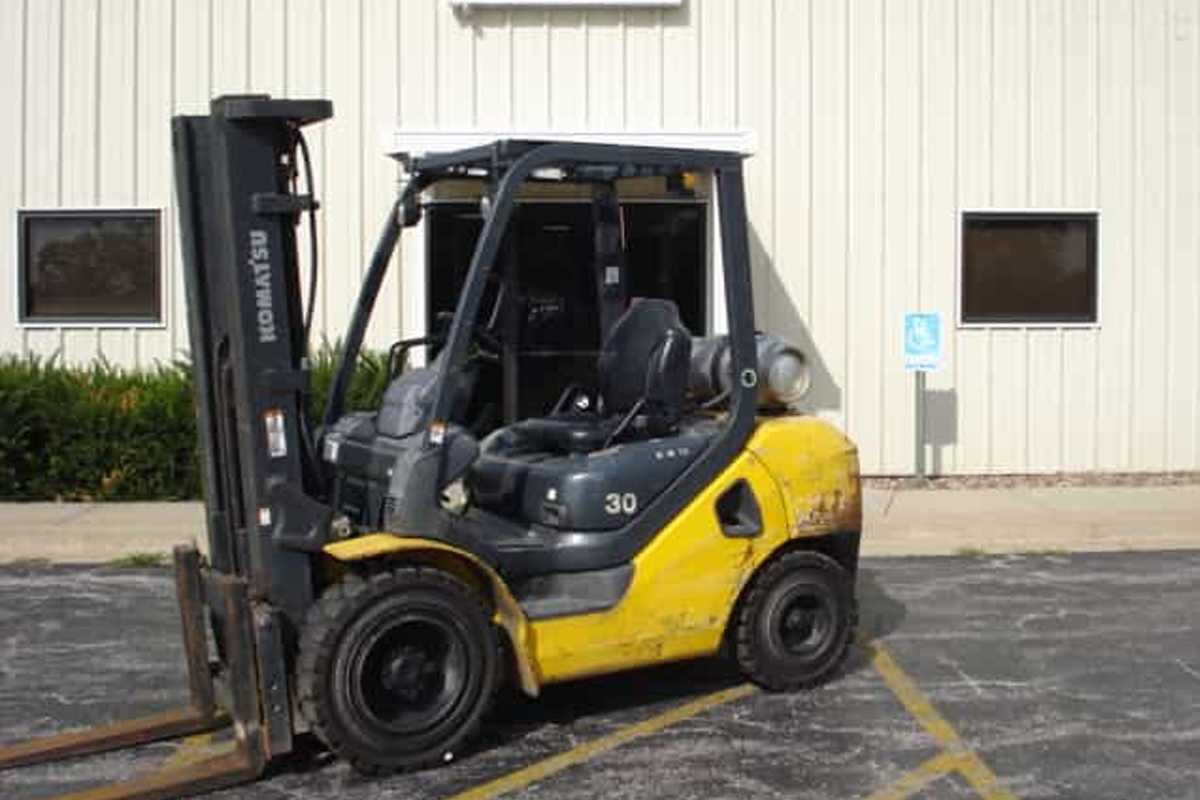
A sit-down forklift is what most people picture when they think of a forklift. The operator sits in an enclosed compartment, faces forward, and controls the truck with a steering wheel and foot pedals, much like driving a car.
Key Features
Sit-down forklifts typically offer:
- Higher lift capacities, often up to 100,000 pounds or more
- Enclosed or semi-enclosed operator cabs for comfort during long shifts
- Multiple power options, including gas, diesel, propane, and electric
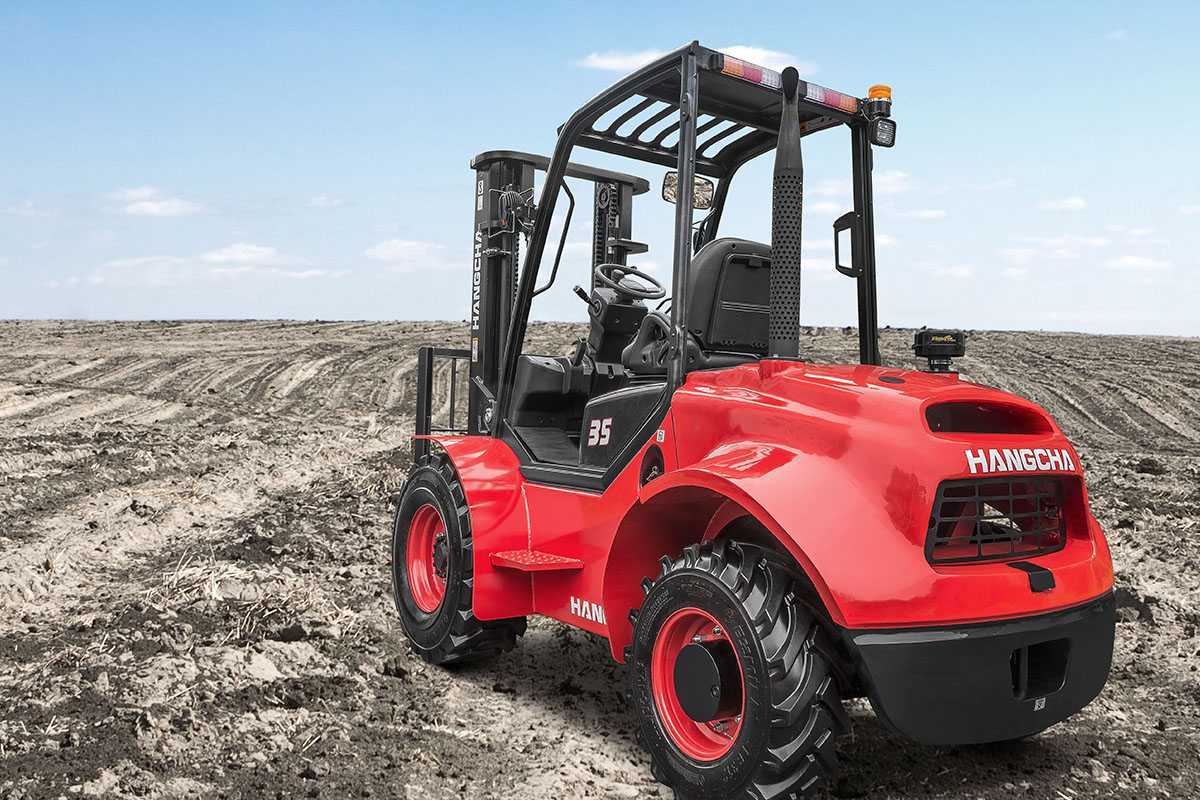
- Better stability on rough or uneven ground
Best Uses
We typically recommend sit-down forklifts for dock work, outdoor yard use, and any job that involves heavier loads or longer travel distances between pickups and drop-offs. If your team spends hours moving product across a large facility or lot, this style holds up better over a full shift.
What is a Stand-Up Forklift?
A stand-up forklift puts the operator in an open compartment, standing sideways to the direction of travel. Instead of a steering wheel, the operator uses a joystick or tiller handle to control speed and direction.
Key Features
Stand-up forklifts generally offer:
- A smaller footprint and tighter turning radius
- Fast entry and exit for frequent stops
- Sideways visibility that makes navigating narrow spaces easier
- Electric-only power, built for smooth indoor floors
Best Uses
These trucks perform best in narrow aisle racking, order picking, and any environment where operators are hopping on and off the truck dozens of times a shift. If your warehouse layout is tight and your team is doing high-frequency picking, a stand-up model saves real time.
Key Takeaway: Sit-down forklifts trade compact size for power and range. Stand-up forklifts trade raw lifting capacity for speed and maneuverability in tight spaces.
Sit-Down and Stand-Up Forklift: Key Differences
When you compare a sit-down and stand-up forklift side by side, most of the differences come down to control, space, and power source.
Controls and Positioning
Sit-down forklifts use a steering wheel and foot pedals, which feels familiar to most new operators. Stand-up forklifts rely on a joystick or tiller, which takes a bit more training but allows for quicker directional changes since the operator can face either way without turning the whole truck.
Maneuverability and Aisle Width
Stand-up forklifts need as little as 8 feet of aisle clearance, while sit-down models generally require 11 to 13 feet or more to turn safely. If your racking is set up for narrow aisles, this alone can decide which truck fits your space.
| Feature | Sit-Down | Stand-Up |
| Operator position | Seated, forward-facing | Standing, sideways |
| Controls | Steering wheel and pedals | Joystick or tiller |
| Aisle width needed | 11 to 13 ft or more | As narrow as 8 ft |
| Power source | Gas, diesel, propane, electric | Electric only |
| Capacity range | Up to 100,000 lb+ | Typically 3,000 to 5,000 lb |
Cost and Rental Considerations
Purchase price is only part of the picture. Battery costs, maintenance schedules, and how often you use the truck all factor into your total cost of ownership.
Purchase and Maintenance Costs
Sit-down forklifts with internal combustion engines often cost less upfront but carry higher fuel and maintenance expenses over time. Electric stand-up models cost more initially but tend to run cheaper day-to-day, especially with lithium battery options that reduce charging downtime.
Rental Options
If you’re not ready to commit to a purchase, renting either style short-term can help you test what actually fits your operation before you buy.
Pro Tip: Track your aisle width and daily pick counts for a week before deciding. That data alone often makes the choice obvious.
Need expert help figuring out which forklift fits your budget? Contact RDS Equipment for a free consultation. We’ll walk your facility with you and recommend equipment that matches your actual workflow, not just a sales quota.
Safety and Certification
Both forklift types require OSHA certification, but the training isn’t identical.
OSHA Training Differences
Operators need separate certification for each class of forklift they run. A certification on a sit-down counterbalance truck doesn’t automatically cover a stand-up narrow aisle unit, so plan your training schedule accordingly if your team will use both.
Common Safety Tips
A few habits reduce risk regardless of which forklift your team runs:
- Always complete a pre-shift inspection before starting a route
- Keep loads low and tilted back while traveling
- Sound the horn at every blind corner and intersection
- Never exceed the rated capacity listed on the nameplate
How to Choose the Right Forklift for Your Operation
The right answer depends on your space, your load sizes, and how your team actually works day to day.
Questions to Ask Before You Decide
Before choosing between a sit-down and stand-up forklift, walk through these questions:
- How wide are your narrowest aisles?
- How heavy are your typical loads?
- Are operators traveling long distances or making frequent short stops?
- Will the truck run indoors, outdoors, or both?
Working With RDS Equipment
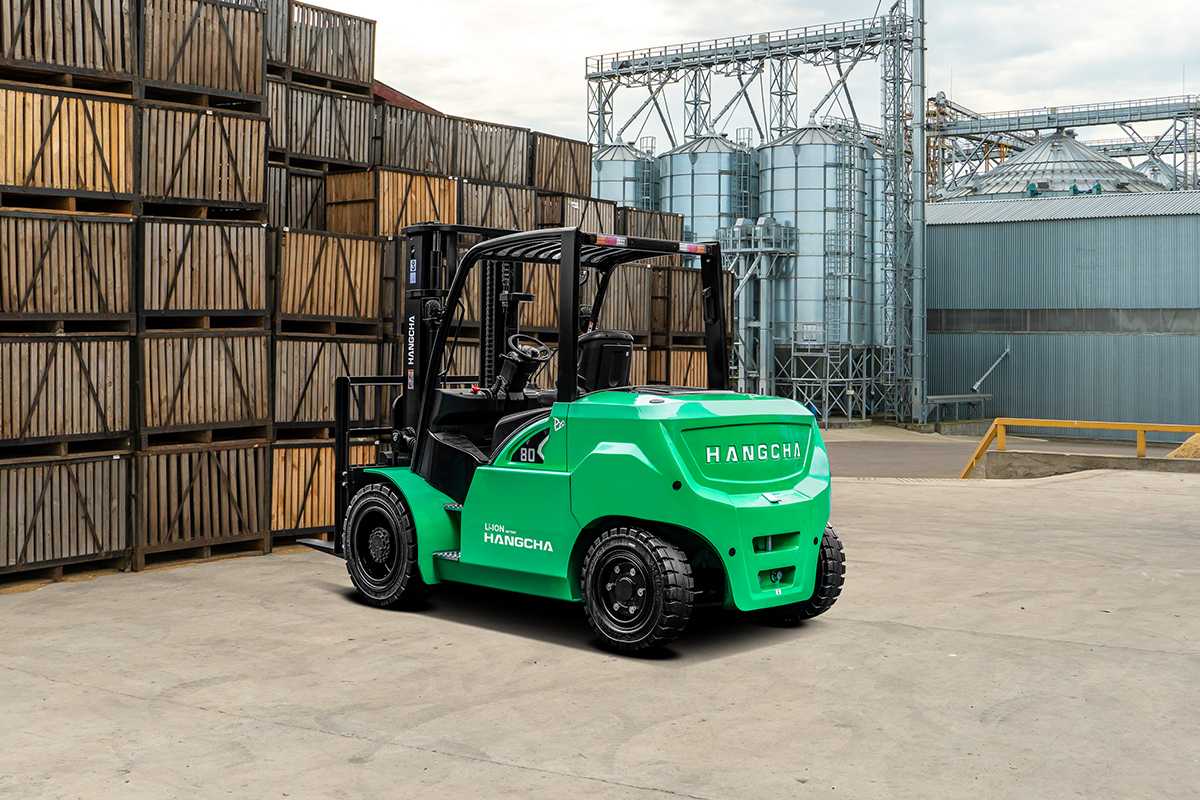
Our team has helped Kansas City area businesses match the right forklift to their layout for years. We carry both sit-down and stand-up models, including the full Hangcha lineup, and we service everything we sell so you’re covered long after the purchase.
Key Takeaway: There’s no universal best forklift. The right choice comes down to your aisle width, load weight, and how often your operators are getting on and off the truck.
Ready to Find the Right Fit?
Picking the right equipment shouldn’t feel like a guessing game. Whether you need heavy lifting power or tight aisle maneuverability, our team at RDS Equipment can help you compare options, run the numbers, and get you set up with a machine that actually fits your operation.
Call us today or fill out our rental request form to talk through your specific needs, and let us help you settle the sit-down and stand-up forklift decision once and for all.